A functional chíkẹn kupu dey give shelter from wind and rain, protection against nighttime predators, and clean nesting space for regular egg laying. Hens need space to feed and perch without pecking each other. Di structure must also cycle fresh air continuously without blowing drafts onto sleeping birds, so di place go dey dry for every season.
Shelter, Safety, and Egg Production: What Every Hen Need
Chíkẹn dem get natural instincts wey dem inherit from wild junglefowl. When sunset reach, hens dey find high, enclosed perches far away from ground predators. A kupu dey serve mainly as their nighttime refuge, shield against heavy storms, and dedicated laying shelter. Without an enclosed kupu, hens go scatter their eggs for bush, roost for trees, or fall inside fox and dog mouth before morning reach.
A practical design dey divide flock life into three distinct zones. Birds dey sleep on high perches, lay eggs inside dark nest boxes, and feed for open ground space when rain fall. Chíkẹn dem dey release plenty moisture through their lungs and poo. When a building trap this vapor, di flock go quick quick suffer from chest infection and cold for body.
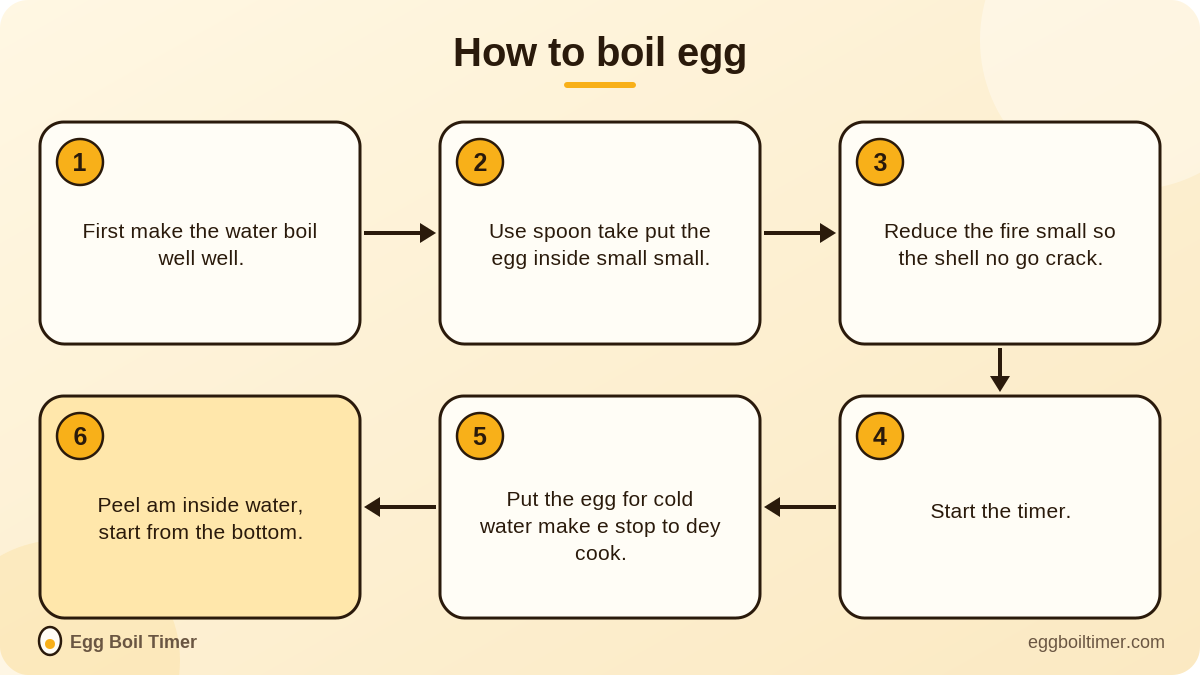
Laying performance dey follow environmental stress. Hens wey crowded inside damp place dey produce cracked, dirty shells or stop laying entirely. Clean nest bedding dey produce clean shells. You fit boil these fresh eggs using Egg Boil Timer without scrubbing off di protective shell layer.
Floor Area, Roost Width, and Nesting Box Sizing
Crowded living quarters dey cause bad behavior like feather pecking, vent pecking, and egg eating. To give proper square footage per hen go keep di flock calm when rain or storm keep dem inside for days.
| Breed Category | Kupu Floor Space per Hen | Run Space per Hen | Roost Length per Hen | Nesting Box Dimensions |
|---|---|---|---|---|
| Bantams (like Silkies). | 2 to 3 sq ft. | 5 sq ft. | 6 to 8 in. | 10 x 10 x 10 in. |
| Standard Breeds (like Leghorns). | 3 to 4 sq ft. | 8 to 10 sq ft. | 8 to 12 in. | 12 x 12 x 12 in. |
| Heavy Breeds (like Brahmas). | 4 to 5 sq ft. | 12 to 15 sq ft. | 12 to 14 in. | 14 x 14 x 14 in. |
Roost perches need wood wey fit bird foot anatomy. A standard 2x4 board laid flat with di 3.5-inch face up dey give birds broad platform. A resting hen dey drop her breast feathers direct over her feet, shielding her toes completely from cold wind. Narrow perches or iron pipes dey make birds fold their toes tight round di bar. This one dey expose their feet to cold air, causing severe winter frostbite.
Nesting boxes no need reach di total number of your birds. Hens dey lay at different times between sunrise and early afternoon. One box for every four or five hens go contain backyard flock without overcrowding. Mount every nest box lower than your lowest roosting bar. Chíkẹn dem dey search high place to sleep. If nest boxes sit above di perches, hens go sleep inside dem and cover di nesting straw with poo overnight.
Ventilation Mechanics: Moving Moisture Without Creating Drafts
Keeper dem sometimes lock their chíkẹn kupu tight before cold season reach to keep am warm. This one dey create unhealthy, damp air. Chíkẹn get plenty feathers wey dey trap body heat easily, but high humidity join with cold air dey cause severe frostbite on combs and wattles. A flock of ten hens dey breathe and poo almost one gallon of water vapor into di air every single day.
A dependable ventilation layout dey provide 1 square foot of vent opening for every 10 square feet of floor space. This system dey rely on passive stack ventilation. Intake vents dey low along side walls near di floor. Exhaust vents line di ridge line or roof eaves high above di sleeping flock.
Warm air and moisture wey come out dey rise go ceiling vents. This wind dey draw cool, dry outside air enter through floor vents. Di roost perches sit below di moving thermal boundary. Sleeping birds stay surrounded by calm air while humid air and bad ammonia gas rise and commot through roof vents.
Predator-Proofing: Materials, Skirts, and Latches
Lightweight hexagonal chíkẹn wire dey keep birds inside perimeter, but e no go keep predators out. Dogs, foxes, and raccoons dey tear thin wire easily, while rats and weasels dey pass di two-inch gaps. Reliable security need strong barriers.
- Cover all windows, vents, and run panels with 19-gauge 1/2-inch welded hardware cloth. Fasten di mesh using heavy wood screws and broad fender washers.
- Bury wire apron 18 to 24 inches wide along outer ground line. Pin this hardware cloth with landscape staples to stop digging predators.
- Mount two-step latches on access doors. Raccoons dey open simple slide bolts easily, so secure every entry with spring carabiners or padlocks.
- Raise di kupu floor 12 to 18 inches off ground on concrete blocks or timber posts. This gap dey stop rodents from nesting underneath and keep floor joists dry.
Bedding Strategies and Ammonia Management
Floor bedding dey catch poo, cushion feet, prevent breast blisters, and lock up moisture. Di best material depend on your local climate and how frequent you clean.
Kiln-dried medium pine shavings work best for most setups. Never use cedar shavings for poultry quarters. Cedar dey release oils wey spoil bird lungs and cause liver stress. Clean wheat straw fit work for dry region. But hollow straw stems dey trap dampness and carry mold spores for humid weather.
Coarse masonry sand offer another way for warm, dry region. Sand dey dry manure on contact, no dey absorb moisture, and dey clean easily using wide wire sifting rake. Sand dey cold for cold weather. Wood shavings provide much warmer insulation for northern flocks.
Deep litter method dey build up biological bed of shavings and manure throughout cold months instead of removing floor weekly. Good microbes dey digest carbon-rich wood and nitrogen-rich poo, producing small heat inside di pack. If deep litter start to smell ammonia, di moisture content too high or exhaust airflow block. Turn di pack with pitchfork twice every week and dust damp zones with food-grade diatomaceous earth.
Siting di Kupu: Sun Exposure, Wind, and Drainage
Kupu placement dey determine daily maintenance work and flock comfort. Choose well-drained, sloping ground where rainwater dey run off naturally. Standing water round di run dey bring mud and parasites.
Face longest wall and window openings toward south or southeast across temperate northern regions. Morning sunlight dey warm di building, encourage early feeding, and help keep bedding dry. Shade trees provide seasonal protection. Summer leaves shade di roof, while bare winter branches let sunlight warm di walls.
Place di building near water source, tool storage, and your kitchen. Carrying heavy water buckets across deep snow or muddy yard dey quick quick make daily chíkẹn care tire person.
Diagnosing Moisture, Pecking, and Roosting Failures
Keeper dem dey face small behavioral and structural wahala during first year of keeping hens. To catch these warning signs early go keep flock healthy and protect egg quality.
| Wetin You See | Root Cause | Wetin You Fit Do |
|---|---|---|
| Hens dey sleep inside nest boxes. | Nests sit higher than roost perches, or roost bars too narrow. | Lower nest boxes below perch height. Install flat 2x4 perches with 10 inches bar space per hen. |
| Sharp ammonia smell inside kupu. | Litter hold excess moisture and high exhaust vents block. | Open roof ridge vents. Shovel out wet litter and add dry pine shavings. |
| Cracked or dirty eggs for boxes. | Shallow nesting bedding, too small boxes, or thin eggshells. | Provide one box per four hens. Add four inches fresh pine shavings and feed crushed oyster shell. |
| Black frostbite on comb tips. | Moist indoor air freeze on combs during cold nights. | Keep roof vents open all winter. Clear air pathways to remove water vapor before e freeze. |
| Mites inside roost joints. | Poultry red mites hiding inside dry wood joints. | Scrape out old litter and wash perches. Dust joint seams with food-grade diatomaceous earth. |
Tailoring Features to Climate and Breed Sizes
A kupu wey you build for hot desert summer for Arizona need different ventilation and shading pass di one wey you build for cold Montana snow. Match your build to regional conditions.
| Climate Type | Roost Design | Ventilation Style | Seasonal Priority |
|---|---|---|---|
| Cold northern climates. | Flat 2x4 boards with wide face up. Mount bars two feet off floor. | High ridge vents and baffled soffits. Shield openings against wind-driven snow. | Keep roost zone draft-free. Never use heat lamps, and let moisture escape at roof. |
| Hot southern climates. | Narrow 2x3 bars with rounded edges. This allow air circulate under perching birds. | Wide wire mesh walls with hinged storm flaps. Maximize continuous breeze. | Maximize airflow. Install reflective roof barriers and shade run to avoid heat stress. |
| Temperate marine climates. | Standard 2x4 perches. Place removable droppings boards underneath for quick cleaning. | Louvered wall vents. Angle louvers downward to block horizontal coastal rain. | Set floor on concrete piers. This raised subfloor stop rising ground dampness. |
Getting a Kupu: DIY Construction, Prefab Kits, and Custom Plans
To start backyard flock leave you with three construction ways: buying flat-pack kit, building from carpentry plans, or joining shelter from old wood.
Cheap prefab kits wey dem sell online fine for catalog pictures. But their floor space usually too small for adult standard hens. Sellers sometimes label small kupu for six birds when di floor measure just six square feet. That one remain only one square foot per bird. Thin wood panels also split and rot quick for rainy weather. If you choose prefab kupu, do important upgrades before adding birds. Paint outside surfaces with safe wood sealant, replace thin wire with hardware cloth, and reduce stated bird limit by half.
Building your own kupu using proper blueprint need normal tools like drill, circular saw, and spirit level. This way make you choose strong framing wood and heavy wire mesh. A DIY chíkẹn kupu framed with standard 2x4 studs and exterior plywood go stand strong against weather and predators for decades.
Seasonal Adjustments: Heat Waves and Freezing Cold
Chíkẹn dey bear winter cold pass summer heat. When temperature pass 30 °C (86 °F), hens dey pant and hold their wings away from body. Dem dey drink extra water and chop small feed. When air reach 40 °C (104 °F), heat stress dey kill dem quick if cooling no come.
For hot weather, drop frozen water bottles inside drinking fonts. Provide shallow pans of cool water for birds to stand inside, and open all summer ventilation hatches wide. Shade outdoor run with shade cloth.
For winter, avoid using ceramic heat lamps inside kupu. Hanging heat lamps dey cause heavy fire every year. Dust from dried poo and pine bedding settle on hot glass bulb, causing fire in seconds. Extra heating also stop birds from adjusting natural to winter cold. If ice storm cut electricity overnight, heated birds fit die quick from sudden temperature change. Instead, keep perches draft-free. Keep high roof vents open to clear moisture, and supply fresh unfrozen water daily using heated drinker base.
Zoning Rules, Property Setbacks, and Community Relations
Check town rules and neighborhood association guidelines before buying wood or getting chicks. Many suburban towns like laying hens while banning roosters to prevent noise wahala.
Local zoning codes usually specify setback distances. Kupus must sit 20 to 50 feet away from neighbor houses or property lines. Flock limits usually cap backyard groups at four to eight birds. Keep bedding dry so manure smell no go travel cross property lines. To share extra fresh eggs with neighbors dey keep flock ownership peaceful and trouble-free.