When you dey manage soft shell eggs chickens dey lay for backyard farm, the wahala dey happen for the shell gland during the last 15 to 20 hours wey the egg dey form. If the shell soft or e feel like rubber, e mean say mineral no reach for their chop, heat too much, something dey fear them, or the bird still small. Most of the time, the birds go start to dey lay strong shell again within 5 to 14 days once you correct their feed and their house.
Rubbery, Thin, or Membrane-Only: How to know the problem
No be every bad egg get the same cause. If you look the outside, you go know where the problem start.
Egg wey no get shell at all go drop like yolk and liquid white, only the thin membrane dey hold am. These eggs dey feel like water balloon. E dey burst quick-quick if the chicken step on top for nest box. But for soft-shell or rubbery egg, the calcium carbonate start to form but e stop before e finish. The surface go bend when you press am with your thumb instead of make e crack.
Thin-shell eggs fit look normal for eye, but e go crack when the chicken sit on top or when you dey pack am. If you dey pack eggs from Chíkẹn Kupu Design: Space, Roost, and Ventilation Rules, if you see one rubbery egg for spring or autumn, no be emergency. E just mean say the egg pass through the oviduct too fast, so e no get time to gather enough mineral for shell.
Calcium, Phosphorus, and Vitamin D3: The Mineral Balance
To make one egg shell, the chicken need about two grams of pure calcium. Dem dey get this one from their feed and from their own bone. Laying hens need 3.5 to 4.5% calcium for their daily chop to keep their bone strong and form hard shells.
Calcium alone no fit harden egg. Vitamin D3 be the one wey dey carry calcium from the stomach enter blood. If your chickens dey stay for dark place or winter, they fit lack Vitamin D3, and that one go make the calcium useless. Also, phosphorus must dey for correct ratio with calcium. If phosphorus too much, the chicken no go fit absorb calcium, and if e too small, the bone no go get enough mineral.
Too much kitchen scrap and corn na the common mistake wey people dey make. If the scratch grain pass 10% of wetin the chicken dey chop, the calcium level go drop. Put coarse oyster shell or limestone grit for separate container so the chicken fit chop am when they want. They know when they need extra calcium for night.
Heat, Fear, and Young Pullets
Environment fit change how the chicken body dey work. Even if the feed correct, stress fit cause soft-shell eggs.
Hot weather dey make chicken dey pant to cool down. When they pant, they dey lose carbon dioxide, and that one go change their blood pH so the calcium no go fit bind well for shell gland. During heat, they go drink water pass how they go chop, so they no go get enough mineral.
If something like dog, cat, or rat come scare the chicken for night, the fear fit make the chicken lay the egg before e finish form. That one na because of adrenaline.
This same thing dey happen for young pullets too. When they just start to lay, their body no get enough practice. Sometimes they go drop two yolks or soft egg before they finally settle into the rhythm. Na normal thing for Best Laying Hens: Top Egg Breeds, Output, and Flock Care.
When Virus Damage Shell Glands
If many chickens dey lay soft or wrinkled shell, e fit be say sickness dey ground. Some respiratory and reproductive diseases dey damage the oviduct.
Infectious Bronchitis virus dey attack the part of the oviduct wey dey make shell. Even after the chicken recover, they fit continue to lay bad eggs because the tissue don scar. Egg Drop Syndrome 1976 (EDS) also dey cause this same thing, where healthy birds go start to lay soft or thin eggs without any other sign.
Some medicine fit also disturb shell formation. Sulfa antibiotics and some wormer medicine fit interfere with the enzyme wey dey make calcium carbonate. If you give your flock medicine before the shell quality spoil, check the guide to know when the egg go return to normal.
How to check and fix the problem
To know wetin cause the problem, check the age of the bird, how often the bad egg dey happen, and how you arrange your farm. Use this table to find the solution.
| Observation | Cause | Wetin to do | Expected Result |
|---|---|---|---|
| One soft egg under roost; young pullet | Body still dey learn | Give 16% layer feed and separate oyster shell | 7 to 14 days |
| Many hens laying thin shell during summer | Heat stress | Add electrolytes to water; provide shade | 2 to 4 days after cool weather |
| Soft eggs because of too much treats | Calcium too low | Cut treats to 10%; give calcium grit | 5 to 7 days |
| Squishy egg after something scare them | Adrenaline shock | Secure the coop from predators | Next egg cycle (24-48 hours) |
| Long-term wrinkled eggs in old birds | Oviduct scarring or age | Consult vet for testing | Might be permanent |
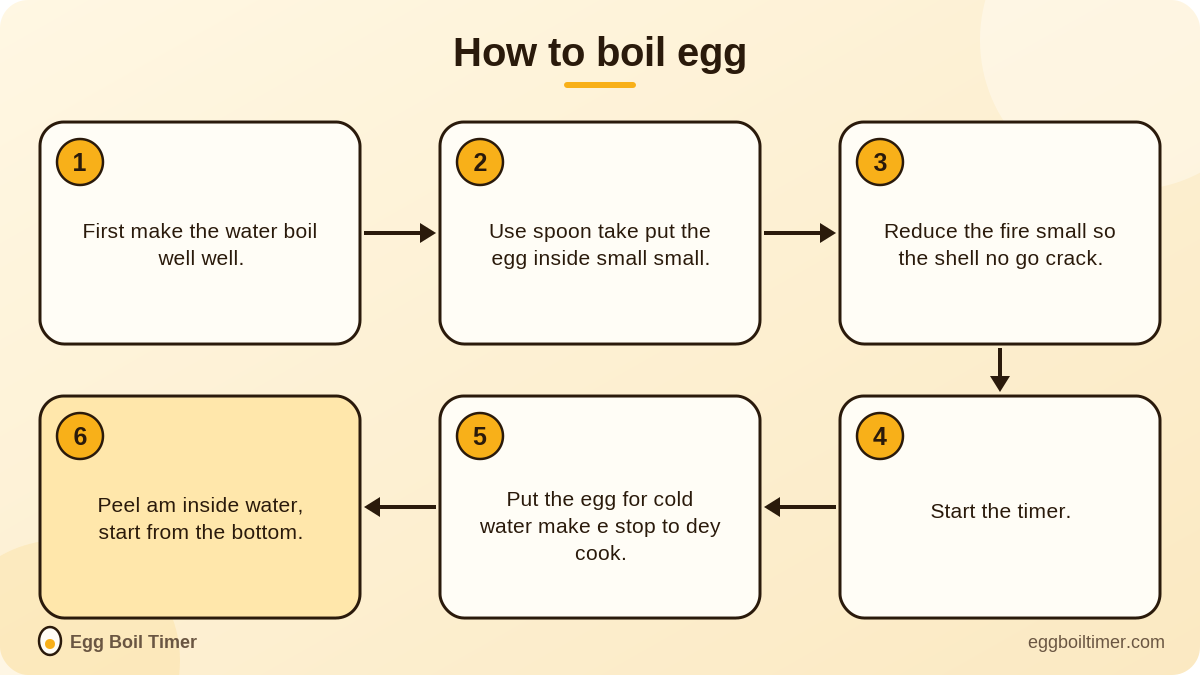
If you notice say egg production drop, check Wetin Make Chicken Stop To Dey Lay Egg: Cause, Wetin Cause Am, And How To Fix Am to know if na season or real problem. While you use our Egg Boil Timer timer for kitchen, you must make sure the shell health dey correct for coop first.
Bacterial Risks and Safe Handling
Soft-shell egg no get the protective layer wey dey stop bacteria. Germs like Salmonella and E. coli fit enter the egg membrane quick-quick.
No chop soft-shell or crack egg wey you pick from coop. Even if the membrane look okay, germs fit don enter. Throway the broken soft eggs and change the wood shavings for nest box so the other chickens no go learn to dey chop egg. If you want use the nutrient, boil the egg well-well, mash am with the shell, and give them back as protein.