An egg toss na lawn game where two people dey throw raw chicken egg back and forth across distance wey dey increase until na only one shell wey no break go remain. Partners go start to face each other for two paces, retreat one full step after every completed exchange, and dem go commot for game sharp sharp if dia egg touch ground or break for dia hand.
Official Rules and Field Setup for Two-Player Pairs
Set up the playing area for level mowed grass wey clear of roots, gravel, and chairs. Mark two parallel boundary lines using spray chalk, cones, or ropes. Position throwers along the baseline and catching partners across from dem for starting distance of two meters (six and a half feet). Each pair go receive one fresh Grade A large chicken egg from a communal crate.
- Opening volley: When referee blow whistle, players go toss dia egg across neutral zone. Catchers must use bare hand only. Gloves, hats, aprons, and shirts wey dem cup go disqualify team sharp sharp.
- Stepping back: Once every active team catch cleanly, referee go sound second signal. Both teammates go take one full stride backward, make gap wide by approximately one meter (three feet).
- Alternating volleys: Catchers go turn throwers for next round. Players must wait for official signal before dem release shell; throwing early or flinching during false start na automatic scratch.
- Elimination standards: Team go commot if shell fracture, leak liquid albumen or yolk, or touch turf. Dropped egg wey land on grass without cracking still count as elimination because ground contact break tournament rules.
- Sudden death: If final two teams survive maximum distance mark (typically 25 to 30 meters), play go shift to sudden death. Teams go hold distance and execute alternating volleys until one shell break.
Egg Selection: Raw Shells Versus Boiled and Synthetic Options
Wetin you choose as projectile go change how players behave for turf. Competition events strictly use raw commercial eggs, but backyard gatherings, school field days, and corporate picnics often adjust shell type to match venue and player age.
| Egg Type | Break Risk | Mess Level | Best Audience | Recommended Turf |
|---|---|---|---|---|
| Raw Large (Grade A) | High | Heavy (albumen and yolk) | Adults, teenagers, tournament circuits | Open park lawn, beach sand |
| Chilled Hard-Boiled | Low (shell fissures only) | Minimal (crumbly yolk) | Children under 10, school field days | Schoolyards, manicured park turf |
| Water-Filled Plastic Shells | Medium (latches pop open) | Zero food waste (water only) | Summer camp groups, indoor gyms | Patios, hard courts, indoor halls |
| Balloon-Wrapped Raw | High internal rupture | Contained inside rubber skin | Indoor parties, basement play | Carpeted rooms, tiled community centers |
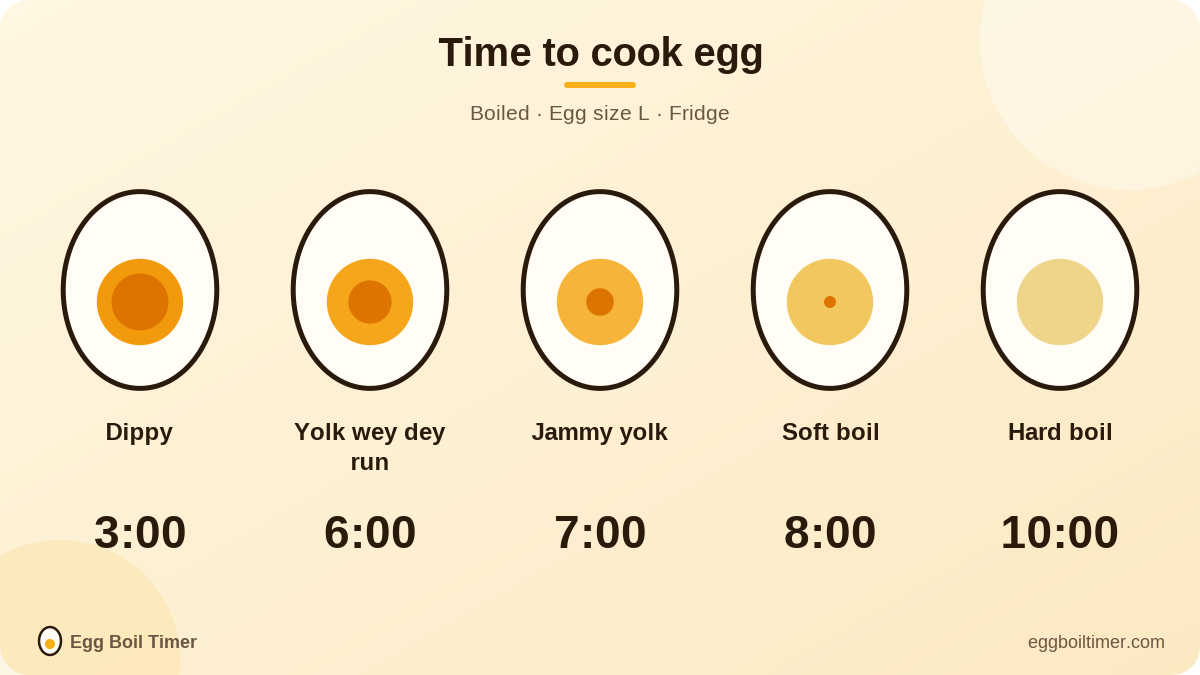
For practice or younger groups, prepare chilled hard-boiled eggs in advance. Use baseline boiling times on Egg Boil Timer to produce firm, set yolks and resilient whites. While hard-cooked shells still fracture on impact, cooked albumen stay intact, offering clear visual signal for elimination without leaving raw protein stains across clothes and grass.
Soft Hands: How Impulse and Arc Trajectory Prevent Cracks
Chicken eggshell na thin architectural vault wey dem make with calcium carbonate. While domed ends distribute uniform static pressure effectively, localized impact shocks easily shatter crystalline matrix. Catching egg at high velocity demand managing impulse: relationship where impact force equal egg change in momentum divided by deceleration time.
Stopping 55-gram egg wey dey move at eight meters per second over fraction of centimeter go exert peak force wey go shatter shell. Extending braking distance to 40 centimeters go lower peak force well below fracture limit. You dey create deceleration runway through continuous arm motion.
Step one foot forward to stabilize stance and keep knees loose. As descending shell approach chest level, meet am with soft, open palms without grabbing or clamping fingers. As shell touch skin, collapse elbows and pull hands downward and backward toward hip in sweeping arc. You match egg speed and ease am to halt over half second of cushioned travel.
Throwing mechanics dictate whether catcher even get chance. Avoid flat line drives. Flat throw dey arrive with high horizontal velocity, forcing receiver to halt forward momentum abruptly. Loft egg with smooth underhand swing at 50 to 60-degree launch angle. This parabolic arc let gravity brake horizontal flight, deliver shell into catcher hands on steep, gentle downward plunge.
Five Party Variations from Relay Races to Blind Tosses
Once players understand basic rhythm of two-line game, creative variations add tactical challenges and cooperative team play to family reunions and holiday tournaments.
- Towel Launch and Cradle: Two pairs face off using standard bath towels. Two players hold corners of taut towel to catapult egg high into the air. Across lawn, opponents maneuver own sagging fabric sling to cushion catch.
- Blindfolded Receiver: Catching teammate wear blindfold. Throwers must verbally track flight path, shout adjustments so receivers position hands and scoop shell based purely on vocal guidance.
- Russian Roulette Toss: Often played at spring festivals alongside traditional games with Easter Eggs: History, Meaning, How To Dye Dem, And Food Safety, egg carton hold eleven hard-cooked eggs and one unmarked raw egg. Teams draw and toss at random, never knowing which volley fit break into liquid splatter.
- Distance Relay: Teams of four or five players arrange themselves in straight line at four-meter intervals. Teammates relay shell down line and back again. Whichever team finish three complete circuits with unbroken shell win.
- Three-Legged Toss: Partners bind inside ankles together with scarf or bandana. This physical restraint restrict lateral balance, forcing pairs to coordinate foot adjustments before catching each downward lob.
Medieval Origins and Modern Championship Records
Egg tossing date back to fourteenth-century England. Parish records from Chester document priests tossing hard-boiled eggs to choir boys across church aisles during Easter. Whoever hold egg when bell strike noon keep am as prized reward. Over generations, custom shift out of chapels and into agricultural harvest fairs.
In modern times, competitive egg throwing gain formal regulations through World Egg Throwing Federation based in Swaton, Lincolnshire. Officials there codify international standards, including specifications for hand positioning, wind limits, and field dimensions, hosting teams from across North America, Europe, and Asia.
Competitors set world record for distance throwing and catching at 98.51 meters (323 feet, 2 inches). Nick Hornstein and Robbie Cockerill achieve this distance in Texas on November 12, 1978. Successfully catching egg thrown almost entire length of football field require receivers to sprint backward along landing vector, cushioning shell over multiple strides to absorb kinetic energy.
Food Safety Precautions and Lawn Cleanup
Raw poultry eggs fit carry Salmonella bacteria on porous shells and within raw albumen. Because missed catches disperse liquid spray across hands, clothes, and grass, simple hygiene precautions keep event safe for all participants.
Set up outdoor wash station with clean water jugs, antibacterial soap, and paper towels directly adjacent to field. Require every competitor to wash hands thoroughly after leaving turf and before eating picnic food. This na general information, not medical advice.
Rake up large shell fragments immediately after match to prevent pets or wild birds from ingesting sharp edges. Hose down impact zone with garden hose to wash liquid albumen and yolk into soil. Raw albumen dry into insoluble, brittle glaze within an hour under direct sun, making early rinsing essential to protect lawn turf and outdoor footwear.