The best egg pan for instant release na 15 to 20 cm (6 to 8 inch) non-stick skillet. Carbon steel and preheated stainless steel offer longer lifespans without synthetic coatings. An egg pan needs shallow, sloped sides so spatulas slide easily under whites. Quick thermal response prevents rubbery yolks. For individual portions, a small diameter stops raw albumen from spreading into a thin sheet.
Egg Pan Materials Compared: Release, Heat, and Longevity
Every cookware material interacts differently with egg proteins. Liquid albumen contains roughly 88% water and 10% protein. When raw egg hits hot metal, coagulating proteins bond quickly with microscopic surface pores unless a non-stick coating or fat layer seals the gap. Selecting a material depends on cooking habits and maintenance preferences.
| Material. | Surface Type. | Heat Control. | Best Dish. | Main Drawback. |
|---|---|---|---|---|
| Coated Non-Stick. | PTFE or ceramic coating. | Rapid thermal response. | French omelettes and low-fat frying. | Polymer coating degrades over time. |
| Carbon Steel. | Polymerized cooking oil. | Moderate thermal response. | Fried eggs with crisp edges. | Requires hand washing and periodic seasoning. |
| Cast Iron. | Heavy polymerized oil layers. | High thermal retention. | Frittatas and deep-dish scrambles. | Retains heat too long for delicate whites. |
| Stainless Steel. | Bare polished alloy. | Fast thermal response. | Browned butter eggs and diner scrambles. | Sticks if preheating is done incorrectly. |
Coated Non-Stick Options: PTFE, Ceramic, and Heat Thresholds
Coated non-stick skillets remain the standard choice for morning cooking because delicate whites slide off cleanly. Standard PTFE coatings maintain smooth release for two to five years under regular home use. Heating PTFE past 260 °C (500 °F) breaks down the polymer layer and releases fumes. Keeping burner settings between low and medium heat preserves the surface coat.
Ceramic coatings offer a PTFE-free alternative using a silica sol-gel layer. Ceramic releases soft scrambles easily when new. However, microscopic surface wear from utensils or hard water minerals reduces slickness faster than PTFE. Hand washing non-stick pans with a soft sponge and using silicone spatulas extends their usable lifespan.
Carbon Steel and Cast Iron: Building Natural Seasoning for Eggs
Carbon steel and cast iron pans build slick surfaces naturally through fat polymerization. Heating a paper-thin film of cooking oil to its smoke point bonds fat molecules directly into the metal surface, creating a smooth barrier.
Carbon steel adjusts temperature quickly when you adjust burner dials. It weighs less than cast iron, so swirling butter for a folded omelette takes minimal wrist effort. Heavy cast iron holds thermal energy far longer. That heat mass creates crisp edges on frittatas, but it can overcook delicate whites if left on a hot burner. Moving cast iron off the flame sixty seconds early prevents rubbery textures. Avoid simmering acidic tomato sauces in newly seasoned pans, because acid strips the thin oil polymer.
Stainless Steel Technique: Using Temperature to Prevent Sticking
Stainless steel lacks a chemical coating, but thermal control creates a temporary release layer. Heating a dry stainless skillet over medium flame for two minutes expands the metal alloy and smooths microscopic surface pits. Drop a few drops of water onto the steel to test readiness. If the water beads form a single rolling sphere that glides across the pan like mercury, the surface has hit the Leidenfrost temperature near 160 °C (320 °F).
At this threshold, a tiny steam cushion lifts liquid food. Adding butter or cooking oil right after the water test coats the hot surface. Butter foams between 100 °C and 120 °C (212–248 °F) as its water boils away. Dropping eggs directly into the shimmering fat just as the foaming subsides prevents protein bonding. Once you master this preheating habit, stainless steel functions as a durable egg pan that handles dishwasher cleaning and metal tools.
Sizing Your Pan for Single Eggs, Omelettes, and Batches
Pan diameter determines how quickly liquid albumen spreads across hot metal during the first seconds of cooking. A small pan between 15 and 20 cm (6 and 8 inches) keeps one or two eggs contained, preserving yolk height and tender whites. Frying a single egg in a 30 cm (12-inch) skillet spreads the white thin, causing edges to dry out before the yolk warms.
| Pan Diameter. | Egg Capacity. | Optimal Dish Application. |
|---|---|---|
| 15–20 cm (6–8 in). | 1–2 eggs. | Single fried egg, small two-egg scramble. |
| 25 cm (10 in). | 3–4 eggs. | Classic three-egg omelette, lunch scramble. |
| 30 cm (12 in). | 5+ eggs. | Family-sized scrambles, frittatas. |
Batch volume alters pan physics. When scrambling four eggs in a small 20 cm pan, the deep liquid pool slows heat transfer to the center. Cooking time scales with the square root of batch volume. Doubling from two eggs to four eggs in the same pan adds roughly 40% more cooking time. Moving to a 25 cm skillet restores shallow liquid depth and even curd formation.
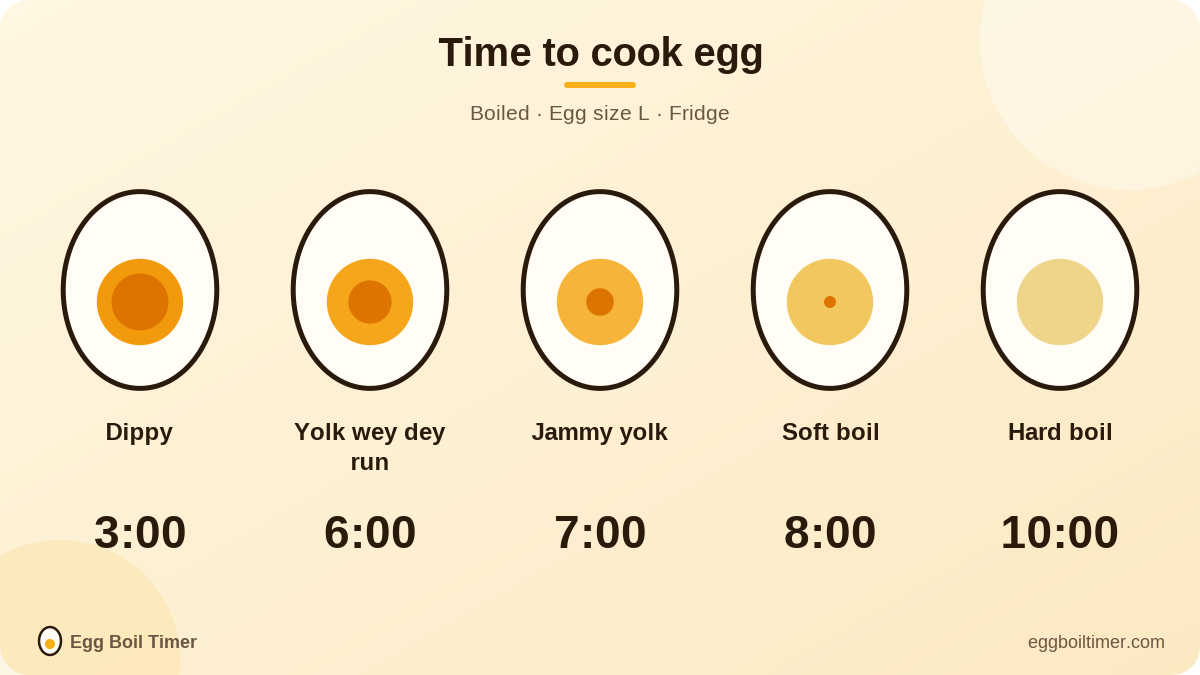
Side geometry also matters for turning and rolling eggs. Curved, sloped side walls let a flexible spatula slide under folded omelettes without tearing them. Straight-sided sauté pans block spatula angles. For water vessel setup and timed boiling, use our central Egg Boil Timer tool to pick exact yolk textures.
Resolving Sticking and Surface Damage Across Materials
When eggs stick to metal, liquid proteins have fused directly to pan pores before cooking fat formed a seal. Fixing the problem depends on pan construction and heat control.
- Sticking on non-stick pans: Caused by microscopic scratches or invisible burnt oil film. Gently scrub the dry pan with a soft baking soda paste. If bare aluminum shows through, replace the skillet.
- Sticking on carbon steel or cast iron: Signals worn seasoning or insufficient preheating. Scour off burnt spots, warm the pan, apply three drops of neutral oil, and heat until smoking for 10 minutes.
- Sticking on stainless steel: Happens when eggs land before the pan reaches Leidenfrost temperature or when cold butter drops pan heat too fast. Heat the dry skillet first, add fat second, and add eggs third.
- Warped pan bases: Rapid thermal shock from cold tap water on a hot pan bottom warps the metal. Warping causes oil to drain toward pan edges, leaving the center dry and sticky.
Specialty Egg Cookware: When to Use Poachers and Rings
Beyond standard round skillets, tailored tools suit specific egg preparations. Rectangular tamagoyaki pans have flat bases and vertical front walls designed for rolling thin egg layers into Japanese omelettes. Cast aluminum or heavy steel cores distribute burner heat across the square corners evenly.
Metal or silicone egg rings constrain raw whites on a flat griddle, producing thick, round eggs that fit breakfast biscuits. Silicone resists heat up to 230 °C (446 °F) and prevents sticking without added butter. See dimensions and heat limits in our overview of Egg Ring Guide: How to Hold Egg, Material, and Technique for Clean Results.
Poaching pans suspend eggs over boiling water in small non-stick cups. These cups shape eggs cleanly, though they steam whites rather than bath-poaching in circulating water. For hands-off egg preparation without watching burners, countertop electric cookers cycle heat automatically. Check our review of Egg Cookers: Steam Physics, Timing, and Buyer Trade-Offs to decide if electric countertop cookers fit your kitchen setup.