The chalaza na two twist, rope-like strand of structural protein wey dey hold the yolk make e stay for the exact middle of the egg white. Na mostly dense mucin fiber make up dis rope, and dem dey hook each side of the yolk to the inner shell membrane. Dis suspension dey make sure say the fragile yolk no go dey knock against the hard shell when you dey move am.
If you see prominent chalaza inside your broken egg, na no defect and e no dey harmful to health. E no mean say dem fertilize the egg or say the egg don spoil; rather, thick chalazae na the most reliable sign wey dey show say egg fresh well well and get strong structure.
Egg Anatomy Breakdown: How Chalazae Compare to Membranes and Albumen
Egg dey function like him own biological capsule. Even though cooks dey think say egg na just yolk and white, bird biology divide the inside into different structural zones. Each zone dey behave differently when heat and mechanical pressure touch am.
| Egg Component. | Primary Material. | Biological Function. | Visual Marker. | Culinary Impact. |
|---|---|---|---|---|
| Chalaza. | Mucin protein fibers. | Anchors yolk in central suspension. | Opaque white, twisted cords. | Leaves tiny white knots in unstrained custards. |
| Vitelline Membrane. | Fibrous protein matrix. | Encapsulates and shapes the yolk. | Transparent boundary wall. | Puncturing breaks the yolk during separation. |
| Albumen. | Water (90%) and protein (10%). | Thermal buffer and nutrient storage. | Clear, gelatinous liquid. | Creates volume and foam structure when whipped. |
| Shell Membranes. | Keratin-like protein mesh. | Bacterial defense barrier. | Chalky paper inner lining. | Controls how cleanly shells peel after boiling. |
| Air Cell. | Ambient air pocket. | Gas exchange reservoir for the embryo. | Cavity at the blunt end. | Expands as moisture evaporates during cold storage. |
To understand dis anatomy parts go help you know why eggs dey behave predictably across history. Dis biological lineage come straight from evolutionary origins wey Wetin Come First: Di Chicken abi Di Egg? Science Fit Explain Am explain.
Oviduct Rotation: How Twisted Mucin Fibers Form
Chalazae no just dey happen by chance. Na inside hen body dem dey spin dem mechanically into position during egg formation. After ovulation, the yolk go move from ovary enter magnum. Dis special glandular tissue go put concentrated layers of dense albumen around the vitelline membrane.
Body movement inside the oviduct dey push the growing egg go down. As e dey travel, the egg dey turn round and round along him length. Dis constant turning dey twist the albumen layers make dem tight like rope for both ends of the yolk.
One strand dey twist go front towards the pointed end of the shell. The other strand dey twist go back towards the blunt end. Dis opposite twisting dey balance the movement and keep the yolk stable against any sudden shake.
Chemically, chalaza na mostly mucin, one insoluble fibrous glycoprotein. Because mucin dey form dense microscopic fibers, the ropes still dey show even when the surrounding albumen look clear. You fit see similar strong protein structures when you do Experiment of Egg inside Vinegar: How to Make Bouncy Egg with vinegar to melt the outer shell.
Edibility, Freshness Signals, and Fertilization Myths
One common mistake wey people dey make for kitchen na to think say chalaza na umbilical cord, rooster gene, or baby chick. Commercial eggs wey dem dey sell for shop come from hens wey no stay with rooster. Dem no get fertilization at all.
Baby chick growth dey start only for germinal disc, one small dot on top of the yolk. Chalaza no carry any gene; na just to hold the yolk make e no shake.
If you see thick, rope-like chalaza, e mean say the egg fresh gidigba. As egg dey stay long for fridge, natural enzymes dey break down the dense mucin protein. Over weeks inside cold storage, the ropes go loosen, melt, and join the watery albumen. If you break egg and see clear, chalk-white strands, your egg white dey peak freshness.
To chop chalaza no get any danger. The rope get the same amino acid as the remaining white and dey cook join am. When you scramble, fry, or bake am inside batter, the strands dey melt join everything without changing taste or texture.
Culinary Texture: When Straining Improves Custards and Emulsions
Whether you suppose remove chalaza depend strictly on wetin your recipe need. For normal scrambled eggs, quick bread, waffles, and layer cakes, to dey remove the rope na waste of time. Normal cooking heat go melt dem inside the batter.
Remove the ropes only when you need smooth finish for delicate custards and emulsions.
- French custards, crème brûlée, and pot de crème, where mucin fibers resist gentle whisking and coagulate into small white lumps.
- Lemon curd and pastry cream, where silky mouthfeel across the tongue reveals every small imperfection.
- Chawanmushi and savory steamed egg dishes, which require a glassy, uniform surface without visible flecks.
- Delicate dessert mousses and hollandaise emulsions, where unbroken protein threads interfere with satin emulsification.
No use your hand pack raw yolk. If you do am, you fit break the vitelline membrane and bring germs. Instead, pour the whisked egg mixture pass fine-mesh wire sieve. The liquid white and yolk go pass easily, while the wire mesh go catch the mucin strands. For one single whole egg inside small bowl, to hook the rope with clean fork tooth take just two seconds.
Yolk Centering: How Chalaza Degradation Affects Boiled Eggs
The condition of the chalaza dey show where the yolk go sit when you boil egg. For very fresh egg, tight chalaza rope dey hold the yolk suspension for the exact middle of the albumen.
As egg dey stay three to four weeks, chalaza dey weak. Without tension from the mucin rope, the yolk fit float go top or touch the inner shell. When you slice am for deviled eggs or ramen, off-center yolk go make thin white walls wey dey tear easily.
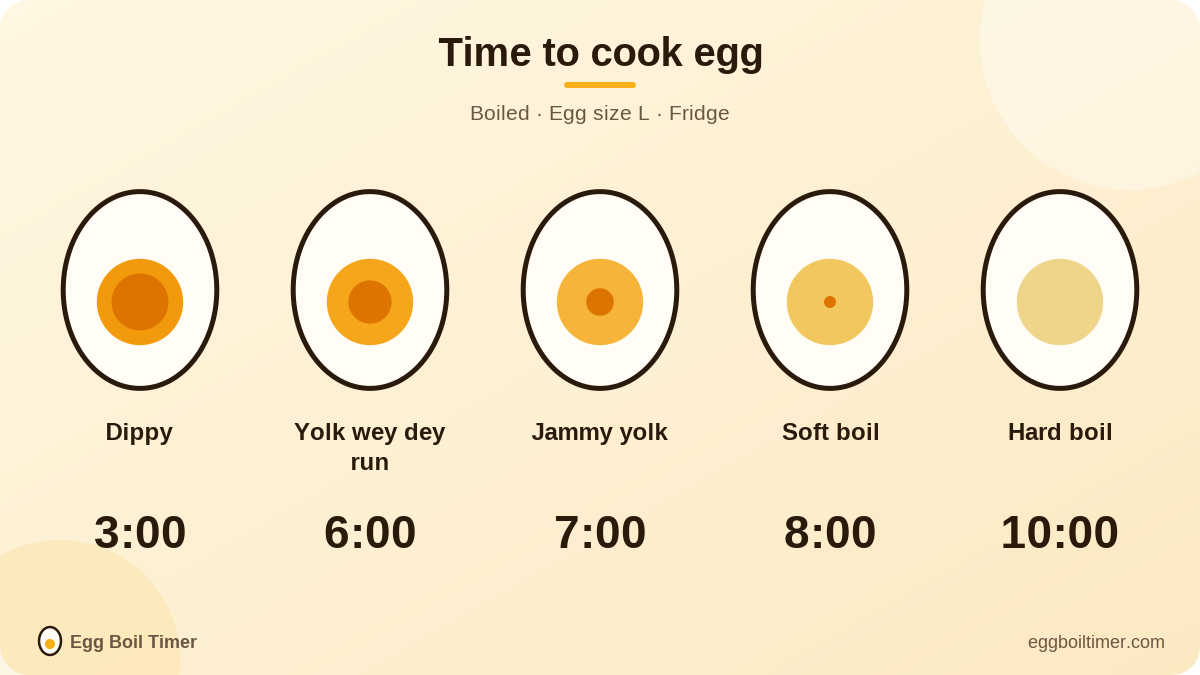
To time your cooking with our Egg Boil Timer dey give consistent doneness, but yolk placement depend well well on egg age. For clean deviled egg halves with centered yolks, use eggs wey reach one week old. Dem dey peel clean while still get enough chalaza tension to hold yolk away from the shell wall.
Weak chalaza fit make yolk rest direct against inner shell. That heat contact fit thin the albumen layer and cause shell cracks like the one Why Your Eggs Dey Crack Once Dem Touch Water talk about.
Troubleshooting Visual Anomalies: Spots, Size Spikes, and Extraction
People wey dey cook for house dey sometimes see different things inside raw egg. Most differences na just normal hen biology, no be spoil food.
If you see big chalaza, e just mean say the egg come from young hen wey dey lay well. Young hens dey produce albumen with high protein density, making thick ropes wey show well for yolk.
Sometimes, chalaza fit hold small red or brown dot. Na harmless blood spot wey happen when small blood vessel burst for ovary wall during ovulation. USDA don confirm say eggs with blood spot safe to chop. You fit use tip of clean knife or fork remove the dot before you cook.
If you see cloudy egg white around the chalaza, na another good sign of freshness. Cloudiness come from carbon dioxide gas wey trap inside albumen after dem lay am. As egg dey breathe pass porous shell over time, the gas dey go out, making old whites look crystal clear.