Pysanky naim local Ukrainian eggs wey dem dey design with hot wax method. Hot beeswax dey cover some parts of the raw shell so when dem put am inside different color water, those covered parts no go enter color. This work need plenty patience. Na from the Ukrainian word pysaty, wey mean to write, the craft come from. Dem dey draw old-old shape, sun sign, and farm symbols on top unbroken shell to make am last for years as protection.
Ritual Origins and Seasonal Continuity
Slavic people don dey decorate eggs during spring equinox long time before Christianity enter Kyivan Rus for year 988. Sun light dey come back. For old stories before Christianity, sun god Dazhbog depend on birds, and their yearly travel dey bring back warmth to frozen ground. The egg na symbol for the whole world: the shell na sky, the white part na air, and the yolk for middle na sun.
Spring ritual practice need specific things wey dem dey gather with strict rules. Women dey go draw water from clean forest stream before morning reach, wey dem dey call silent water (nichna voda), without talking to anybody for road. Dem no dey talk. Na from active bee farms dem dey get beeswax, and the eggs must come from young, healthy chickens wey start to lay for early spring.
Winter story talk about one bad snake, Korchun, wey dem chain under ground. The beast dey strong as dark night dey long. Village people believe say if dem draw protection symbols on top the shell, e dey tight the monster iron chain. If the work stop, evil go break the chain. After Christian tradition spread enter Ukraine, these sun symbols enter Easter church service. The sealed shell come represent Christ grave, while life inside represent Resurrection.
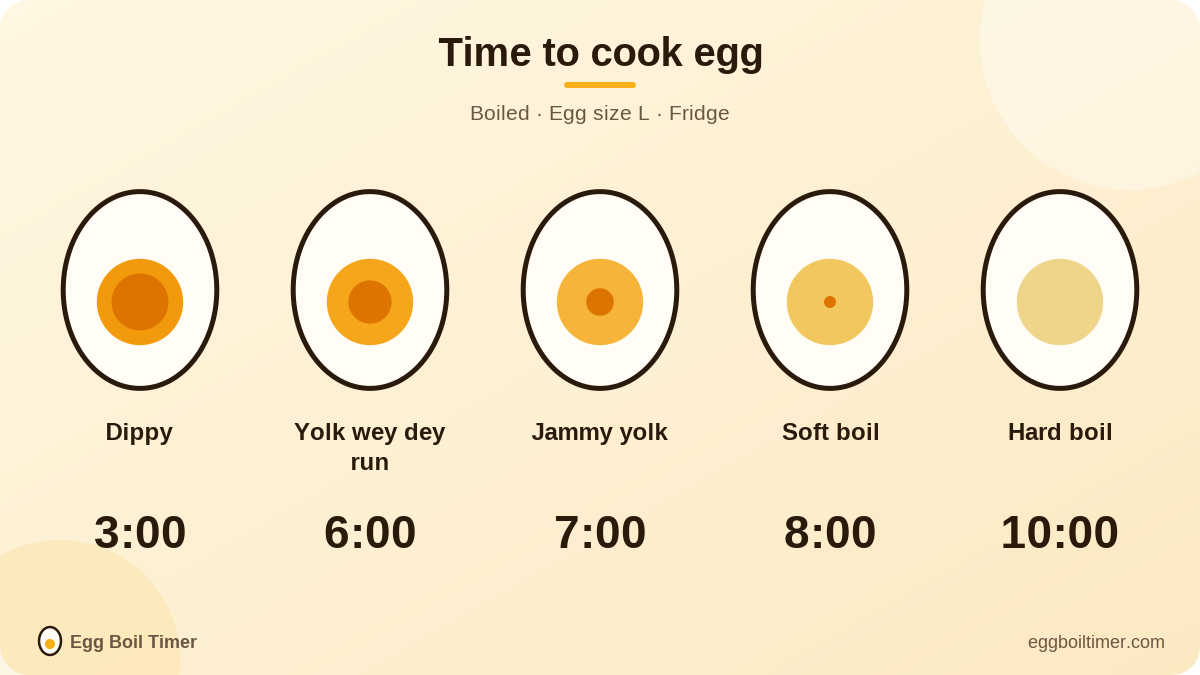
Unlike breakfast eggs wey we dey use Egg Boil Timer check time, traditional pysanky dem no dey boil or chop am at all. E holy. E also different from ordinary dipped Easter Eggs: History, Meaning, How To Dye Dem, And Food Safety wey dem dey make for holiday table. Boiling dey cook the inside and make steam pressure wey dey crack the shell. Cooked part inside dey spoil quick when e stay for room temperature. People dey keep finished raw egg for house roof to protect against lightning and put am inside grain store to drive away pest. Farmers dey roll them for freshly plowed soil to send fertility straight to the ground.
Visual Vocabulary: Motifs and Color Codes
Pysanky geometry dey divide the egg shape into balanced spaces. Harmony dey guide every line. People dey split the egg into half, quarter, eight parts, or forty-eight small triangle spaces wey dem call sorokoklyn. When dem repeat symbols for these parts, e dey strong the blessing wey dem want for the house.
| Motif | Design Category | Traditional Meaning |
|---|---|---|
| Roshka (Solar Rosette / Eight-Pointed Star) | Celestial | Warmth, divine light, love, and protection against pestilence. |
| Berehynia (Great Mother Goddess) | Anthropomorphic | Guardian spirit of the home, hearth warmth, and family preservation. |
| Bezkonets (Meander / Endless Line) | Geometric | Eternity, cyclical renewal, and defense against demons trapped within the loops. |
| Hrabli (Rake or Comb) | Agricultural | Plentiful rainfall, successful harvest, and fertile meadow grasses. |
| Olen or Baran (Stag or Horned Ram) | Zoomorphic | Endurance, physical vigor, spiritual guidance, and material prosperity. |
| Dub (Oak Leaf) | Botanical | Patience, generational strength, and honor directed toward elders. |
| Sorokoklyn (Forty Triangles) | Cosmological | The forty chores of agrarian life, the forty days of Lent, and worldly abundance. |
Color sequence dey join shape with feeling. White mean innocence, clean ritual, and pure potential. Yellow show summer harvest, warmth, and hospitality. Orange show body strength and morning light. Red na the main color for plenty places, e mean blood, new life, and joy. Green show grass and plant growth after winter cold. Brown and black mean rich soil, make bright design for front fine pass dark background.
The Kistka Method: Tools and Dye Sequencing
The traditional pen wey dem dey use write na kistka, wey some people still call pysochok. E dey carry hot wax. E get small copper or brass funnel wey dem wrap fine wire join slender wooden handle. Modern workshops sometimes use electric type wey get heater inside. This one dey keep pure beeswax for correct temperature of 62 to 65 °C without candle fire.
Start with fresh, unwashed white chicken eggs for room temperature (20 °C). Cold shell dey sweat. When you carry egg straight from fridge, e dey bring water wey dey push wax line commot and spoil dye. Wash shell inside two cups of clean water mix with one tablespoon of white vinegar to remove oil and balance surface pH.
Draw light division lines with soft 2B pencil. Graphite dey move soft. Hard pencil dey scratch calcium, while ink from pen dey dissolve inside chemical dye and stain the shell forever.
The batik order follow strict line from light color to dark background:
- Waxing initial highlights: Put filtered dark beeswax inside kistka funnel and heat the metal tip near candle fire for three seconds. Make line straight. Draw pencil line wey you want make e remain white. Make funnel straight up so wax go flow well from tip.
- Yellow dye bath: Put the waxed egg inside cool yellow dye with wire egg spoon. No rush am. Leave the egg inside for two to four minutes until color enter well. Carry am commot, use clean paper towel press am dry, and leave am for ten minutes.
- Second wax layer: Draw wax line over all parts wey you want make yellow remain for the final design. Wax dey lock color.
- Intermediate color baths (orange, green, or bright red): Put the egg inside the next dark color. When you wan add green before orange or red bath, use paint brush touch those areas. Paint with care. Make green dye dry and seal am with wax. Wash shell small before you put am inside main orange bath.
- Final dark ground: Put the egg inside rich brown, dark navy, or black dye for five to eight minutes to cover all remaining open calcium. Darkness go cover everything.
- Wax removal: Hold finished egg near candle side, no put am for top where black smoke dey form. Wipe gently. Wipe melting wax fast with clean tissue paper to show the design under.
Regional Styles Across Ukrainian Traditions
Different places for Ukraine get their own shape, color choice, and way of doing am. Traditions vary by valley. These visual signs help experts know where old eggs come from just by looking.
For Carpathian mountain area of Hutsul, pysanky get sharp geometric detail. Details tiny well well. Artisans use tiny styluses to make small grid fill with small eight-point star, cross shape, and small mountain horse. Hutsul colors like deep yellow, bright orange, brick red, and dark brown background.
For Poltava and Kyiv, design feature soft plant figures. Flowers dey grow for shell. Designers draw free flower patterns with wide writing tip, drawing apple blossom, marigold, and bird over bright red or black background.
Lemko people for west side dey use drobyanka or drop-pull method. Instead of drawing line with funnel, dem dey dip sewing pin head inside hot wax and stamp am on top shell with quick tap. Fast tap dey make shape like water drop and sun ray for color rings.
For Podillia, local artists like black background wey represent fertile earth, make bold geometric design with terracotta red and yellow. Contrast rule here. Bukovyna pysanky like horizontal stripe band with pine bough and sun wheel.
Troubleshooting Common Flaws and Dye Bleeds
Natural eggshells get different calcium density. Small change for shell temperature, oil, and dye acid can cause unexpected error. Mistakes happen fast. Use the solutions below to fix common studio errors.
| Observed Fault | Root Cause | Practical Studio Fix |
|---|---|---|
| Wax puddles and blobs | Kistka tip is too hot, or reservoir was overfilled past the rim. | Scrape excess wax gently with an X-Acto blade. Wipe residual paraffin oils with lighter fluid on a cotton swab before dyeing. |
| Dye seeps under wax lines | Shell was chilled, wax cooled before adhering, or dye solution was warm. | Bring raw eggs to 20 °C before writing; mix dyes with cold water only. |
| Streaky, patchy dye coverage | Surface skin oils from hands, or spent dye lacking acid activator. | Wipe the dry shell with a 1:1 solution of water and white vinegar. Add one tablespoon of white vinegar per pint of prepared dye. |
| Wax line skips and stutters | Funnel nozzle clogged with carbon soot or unfiltered wax sediment. | Clear the nozzle with a thin cleaning wire; heat the funnel tip briefly in a candle flame to melt stubborn clogs. |
| Egg floats and will not stay submerged | Large internal air cell makes the raw egg naturally buoyant. | Weigh the egg down with an inverted glass cup or folded paper towel soaked in dye; turn frequently for even tone. |
| Hairline fractures during blowing | Excess downward pressure while puncturing the shell. | Use a diamond-grit hand drill rather than sharp awls; rotate the bit steadily without forcing it through the calcium wall. |
| Tacky or peeling shell finish | Applying varnish before residual wax oils are removed, or working in high humidity. | Let cleared eggs air out 48 hours; wipe with mineral spirits, then apply thin coats of oil-based marine varnish. |
Blowing, Varnishing, and Long-Term Display
Long time ago, families dey leave pysanky whole. The yolk and white inside dey dry small small into small hard thing over years for dry weather. Time dey shrink the middle. For modern house with heater, leaving raw egg inside get serious risk. If water no fit commot well through the small holes, bacteria go cause gas wey go break the decorated shell.
Blowing the egg dey create fine memory item wey dey last long. Shell dey stay fine. Drill one small 1.5 mm hole for the wide base of raw egg using craft drill. Straighten small paperclip, put am inside, and twist gently to break yolk sack. Break the membrane finish. Push air inside hole with hand pump. The air go push liquid white and yolk commot through the nozzle into bowl.
Wash the empty shell three times with warm water mix with small soap and bleach. Wash am well. Make shell stand up on top wooden stick for two full days so inside go dry finish before you seal am.
Like the fine style of Fabergé Egg Tori, How Dem Make Am, and Imperial Secret, folk shell art need protection coat make e survive over years. Shell dey break easy. Aniline dye na water type and dey fade fast when sun touch am. Coat clean, dry shell by rolling am for hand wey get four drops of oil varnish or UV clear liquid. Dry the egg balance for needle on top small board so surface no go spoil.
Keep finished pysanky away from window where sun dey shine pass, wet room, and wind vent. Keep am dry. When holiday finish, pack eggs inside carton box put tissue paper instead of cotton wool wey dey hook for wax line. When you dry am well and protect am from direct sun, hand-written pysanka go retain fine line and bright color for years.