Standard kpokpo ado dey help everyday kooking because e get better balance of water, proteín, and fat. E dey take 24 to 26 hours to form for inside di chicken body, and every shell get wetin e need either to grow small chick or to make custard, batter, and sauce.
Di Anati of Kpokpo Ado: Protekshon and Shell
Fresh kpokpo ado get seven different parts. Outside na di calcium carbonate shell wey get plenty small small holes wey oxygen and carbon dioxide dey pass through. Under di hard cover na di outer and inner shell membranes. Dem be protein sheets wey dey protek di egg from bacteria while dem cover di liquid albumen.
Di egg white come join two parts: di strong inner white wey dey stay middle and di light outer white wey dey spread for pan. Di chalazae dey inside di albumen—na two twisted strands of mucin protein wey dey hold di yolk for di center. Di yolk na im vitelline membrane dey hold tight. As ado dey stay long, dis membrane dey weak and dey soak water from di albumen, make older yolk soft and easy to break when you crack am.
For di wide side of di shell na im air cell dey. When hen lay egg for body temperature, di inside dey cool and shrink, draw air enter through di shell holes to separate di inner and outer membranes. Dis space dey wide as time dey go because water dey dry for inside during storage, and na im show how old di egg be.
Di Bio Cycle: How Hen Dey Form Egg for 25 Hours
Egg formation dey start for hen ovary with ovulation. Di ovary dey release mature yolk follicle enter oviduct, di tube where different biological layers dey form for about 25 hours. Fertilization fit happen only for di first part, di infundibulum, inside small 15 minutes window before protective whites cover di yolk.
Di yolk dey enter magnum, where glandular tissue dey put thick and thin albumen for three hours. Next, di egg dey enter isthmus for about 75 minutes, where keratin and collagen fibers dey form di inner and outer shell membranes. Di egg come rest for shell gland, wey people sabi as uterus, for 20 hours.
For dis uterine time, di hen dey put calcium carbonate crystals on top di membranes to make di hard shell. Before hen lay am, di shell gland dey put cuticle, or bloom. Dis protein film dey seal di holes make bacteria like Salmonella no enter. Di hen come push out di finished egg through cloaca, and di cycle dey start again after 30 minutes.
Fertility and Embryo Myths: Wetin Store Shells Actually Get
Commercial shops dey sell unfertilized eggs wey hens wey no see rooster lay. Hen dey lay egg regular whether male bird dey or no dey. Without mating, di germinal disc on top di yolk surface remain flat and small, wey no fit turn to embryo.
Backyard poultry wey get rooster dey produce fertilized eggs wey get genetic material from both papa and mama. Even though people think say fertilized eggs get blood embryo or small chick inside when you pick dem quick, dat one no true. Di growth dey stop completely once egg cool pass 20 °C (68 °F), and e no go grow unless you put am inside incubator at 37.5 °C (99.5 °F) for days. Both fertilized and unfertilized eggs get di same nutrients, taste, and behavior for kitchen.
Small red spot wey you sometimes see for yolk na blood spot, e happen when small blood vessel burst for ovary during ovulation. E no mean say di egg fertile or don spoil. Candling lights for market dey remove most eggs with visible spots, but di ones wey pass still safe to cook, or you fit use clean knife tip remove am.
Pigment Genetics: Earlobes, Food, and Shell Color
Shell color show di breed of di hen and no dey affect taste, protein density, or baking performance. White feathers with white earlobes, like Single Comb White Leghorns, dey lay pure white shells. Breeds with red or pink earlobes, like Rhode Island Reds and Plymouth Rocks, dey put brown pigment wey dem call protoporphyrin for outside during di last hours for shell gland.
Some special breeds get genetic changes wey dey change pigment. Araucana and Ameraucana hens dey produce oocyanin, bile pigment wey enter di whole shell structure to make blue color. When you cross blue-egg layers with brown-egg layers, you get Olive Eggers, wey get brown color on top blue base to form deep green tone. For everyday cooking, Brown or White: The Shell Colour Dey Change Boiling Time? dey behave di same way under heat.
Unlike di shell, yolk color dey follow wetin di hen chop instead of genetics. Hens wey chop yellow corn, alfalfa, or marigold flowers get high levels of xanthophylls and carotenoids, wey dey make di yolk orange well well. Hens wey chop wheat or barley dey get light yellow yolk. Even though pasture hens wey chop different grass get deep yolk color, yolk color alone no dey change how egg dey thicken.
Kpokpo Ado Compared With Duck, Quail, and Goose Varieties
Even though chicken eggs na di standard for house and market recipes, other birds get different fat-to-protein levels and physical properties. Waterfowl eggs get strong shells, high fat, and big yolk relative to dia total weight.
| Attribute | Chicken Egg | Duck Egg | Quail Egg | Goose Egg |
|---|---|---|---|---|
| Average Weight | 50 g (Large) | 70 g | 11 g | 145 g |
| Yolk-to-White Ratio | 1:2 (33% yolk) | 1:1.5 (40% yolk) | 1:1.5 (39% yolk) | 1:1.2 (45% yolk) |
| Albumin Moisture | 88% water | 85% water | 87% water | 84% water |
| Shell Thickness | 0.35 mm | 0.50 mm | 0.20 mm | 0.60 mm |
| Primary Culinary Role | Universal baking, emulsifying, boiling | Rich custards, hearty pasta, lamination | Canapés, decorative garnishes, quick frying | Heavy baking, large-batch enriched doughs |
Because chicken albumen get more water and less dense ovalbumin pass duck albumen, e dey whip well to make meringue with small effort. On di other hand, di high yolk fat for waterfowl make dem better for pasta doughs. You fit learn special cooking methods by following proper heat schedules for your pots.
Nutritional Composition: Protein Quality and Micronutrient Density
One large raw chicken egg wey weigh 50 grams dey give 6.28 grams of complete protein, 4.79 grams of fat, and 0.36 grams of carbohydrates. Egg protein get all nine essential amino acids for balanced proportions, make am get high biological value for human body. Di white give 3.6 grams of pure protein with small fat, while di yolk contain di remaining 2.7 grams of protein with essential lipids.
Di yolk concentrate essential micronutrients, give 1.86 micrograms of Vitamin D, 0.45 micrograms of Vitamin B12, and 74.5 micrograms RAE of Vitamin A per large unit. E also give choline, essential nutrient for cell membrane and brain health. Even though one large yolk carry about 186 mg cholesterol, studies show say saturated fat intake affect blood cholesterol pass moderate egg consumption.
For recipes wey need raw or half-cook yolk, cooks wey worry about food safety sake of health dey use commercial Pasteurized Eggs: Wetin Dem Be, How Dem Dey Work, and Kitchen Use. Dem dey pass am through controlled low-temperature water bath to kill germs without spoil di albumen protein.
Freshness Assessment, Washing Risks, and Temperature Control
Water test na correct way to check egg age without breaking am. Put egg inside bowl of cold tap water. Fresh egg go lie down flat for bottom because di air cell still small. Egg wey don stay weeks go slant up or stand for point as air cell dey big because water don dry.
If egg float go top, plenty water don dry from am. To float no mean say e don spoil; e only show say di air cell don big. Always crack floating egg inside small plate to check freshness before you use am. Bad egg dey smell sulfur because of hydrogen sulfide gas from spoil albumen protein.
Handling rules depend on whether di bloom still dey. For North America and Japan, shops dey wash eggs to clean shells, remove di protective cover and make dem keep am for fridge at or below 4 °C (40 °F). For Europe, law no allow shop shell washing, make cuticle stay so eggs fit stay for room temperature. Never wash farm-fresh eggs until di time you wan crack am, because wetting di shell make bacteria enter inside.
From Emulsions to Custards: Harnessing Distinct Proteins
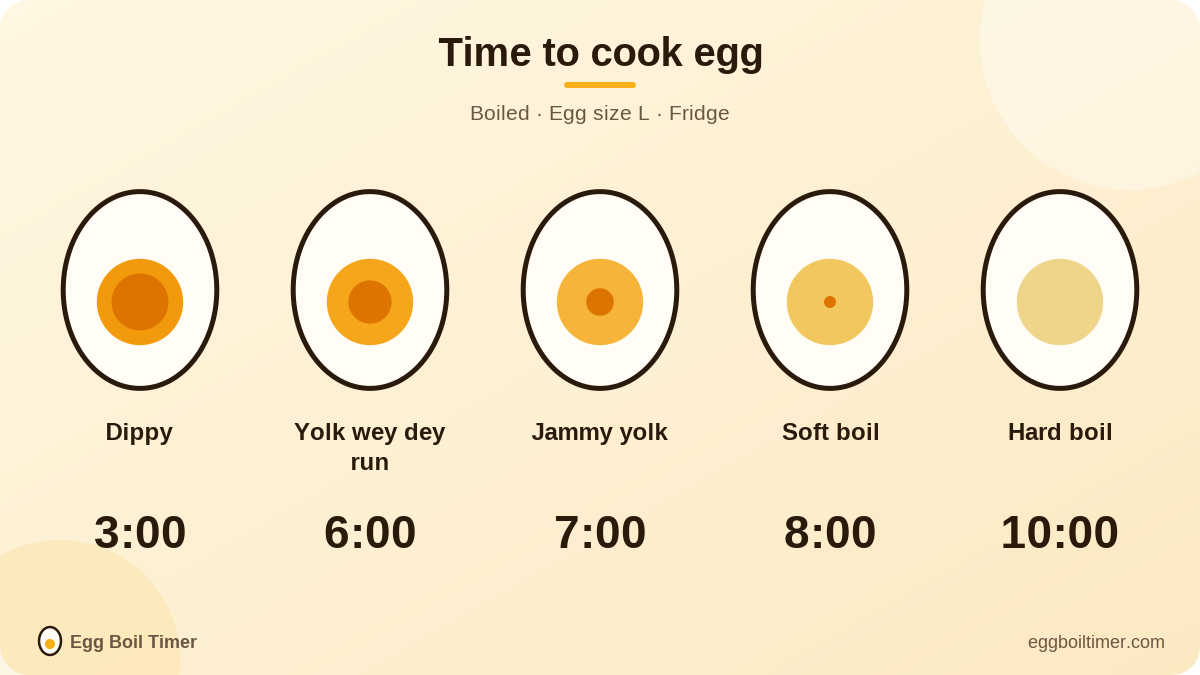
Kooking success depend on managing separate cooking temperature for egg parts. Ovalbumin and ovotransferrin for white dey start to cook at 62 °C (144 °F) and come hard well well at 80 °C (176 °F). Yolk proteins dey thicken between 65 °C (149 °F) and 70 °C (158 °F). Dis temperature difference make am possible to get firm white cover warm liquid yolk if you follow our Egg Boil Timer guide.
For sauce like mayonnaise and hollandaise, yolk lecithin dey act as binder, hold oil droplets for inside acidic water phase. When you mix beaten white into soufflé, mechanical mixing dey trap air bubbles, wey dey expand under oven heat while ovotransferrin set di walls.
Apart from fresh cooking, cultural methods dey change chicken eggs through curing and fermentation. Alkaline pickling dey make translucent Century Egg: How Dem Dey Make Am, Taste, And How To Chop Am Safely, while Southeast Asian street traditions dey use half-incubated duck or chicken eggs to prepare Wetin Be Balut? How Dem Dey Incubate Am, Taste, Safety, And Culture. Industrial food production also rely heavily on standard egg ingredients for bulk baking efficiency.
General safety reminder: raw or half-cook egg products carry small risk of food germs. Vulnerable people, like small pikin, pregnant women, and old people, suppose chop eggs wey both white and yolk don cook well well. Dis advice na general kooking information, no be medical guidance.