Basic meringue na foam wey dem whip from egg white and sugar. Hard cookies dey use 2:1 sugar to white ratio by weight, while soft pie toppings dey use 1:1. When you add superfine sugar little by little after soft peaks don show, plus 1/8 teaspoon cream of tartar per egg white, e dey strong the protein network. Dis structure dey hold air well without water leaking or collapsing.
Protein Denaturation: How Whipping Dey Turn Albumen To Foam
Egg white get 90% water and 10% protein, mostly ovalbumin, conalbumin, and ovotransferrin. For raw state, dis proteins dey float like tight folded spheres inside water. Mechanical whipping dey break the weak bonds wey hold dis spheres together. Dis one dey force the amino acid chains to open and stretch across the liquid.
Open protein molecules dey show two different ends. The hydrophobic ends dey run away from water and align toward trapped air pockets. The hydrophilic ends dey attract water and stay inside the liquid around am. Dis arrangement dey create strong film around every air bubble, stopping the foam from collapsing.
When you add sugar, e dey make dis delicate film strong. As sugar dey dissolve inside the water phase, e dey thick the liquid and slow down water drainage. But you must add sugar small small. If you put sugar too early, e go heavy the expanding protein chains and reduce total foam volume. If you need plant-based binder without whipped air, check our guide on Flax Egg White Guide: Ratios, Baking Uses, and Whipping Limits">flax egg white options.
Acidity dey play big role for foam life. When you add 1/8 teaspoon cream of tartar per egg white, e dey supply hydrogen ions wey dey lower the pH of the mixture. Dis small acid stop sulfur groups inside ovalbumin from bonding too fast. Fast bonding dey squeeze water out and make the foam grainy.
French, Swiss, And Italian Meringues Compared
Pastry chefs dey divide meringue into three classic styles based on how heat and sugar enter during whipping. Each method dey change the final foam density, stability, and food safety. Choosing the correct method depends straight on whether dem go bake the dessert or serve am raw.
French meringue dey use cold egg whites whipped with raw sugar. E dey expand sharp sharp to make maximum volume, making am very light. Because the proteins no cook during whipping, French meringue must go oven sharp sharp to set the structure. Unbaked French foam dey collapse fast.
Swiss and Italian meringues dey mix heat early inside the process. Swiss meringue involve warming raw whites and sugar together over double boiler reach 71 °C before beating. Italian meringue dey use hot sugar syrup heated reach 118 °C poured straight into whipping whites. Both heat methods dey kill germs inside egg proteins and give heavy, smooth foams wey dey stay stable for room temperature.
| Meringue Type. | Preparation Temperature. | Foam Density. | Stability Level. | Primary Culinary Application. |
|---|---|---|---|---|
| French. | Cold / Room Temp (20 °C). | Very light and delicate. | Moderate (requires baking). | Meringue cookies, pavlova, soufflés. |
| Swiss. | Double Boiler (71 °C). | Dense and marshmallow-like. | High (pasteurized). | Pie toppings, Swiss buttercream, pavlova bases. |
| Italian. | Hot Syrup (118 °C). | Ultra-dense and glossy. | Highest (heat-set). | Macarons, chiboust cream, baked Alaska. |
Step-by-Step French Meringue Cookie Protocol
Baking crisp French meringue cookies need low heat and steady air flow to dry moisture. Set your oven reach 100 °C and line two heavy baking sheets with parchment paper.
- Separate whites cleanly: Crack 4 large egg whites (120 grams) into clean glass or stainless steel bowl. Make sure zero yolk trace enter bowl, because oil dey destroy foam formation.
- Establish the foam base: Whip egg whites for medium speed until e foam. Add 1/4 teaspoon cream of tartar and 1/8 teaspoon fine salt, beating until soft peaks form.
- Incorporate superfine sugar: Increase speed to medium-high. Add 200 grams superfine sugar one tablespoon at a time over 5 minutes. Beat until stiff, glossy peaks hold their shape straight up.
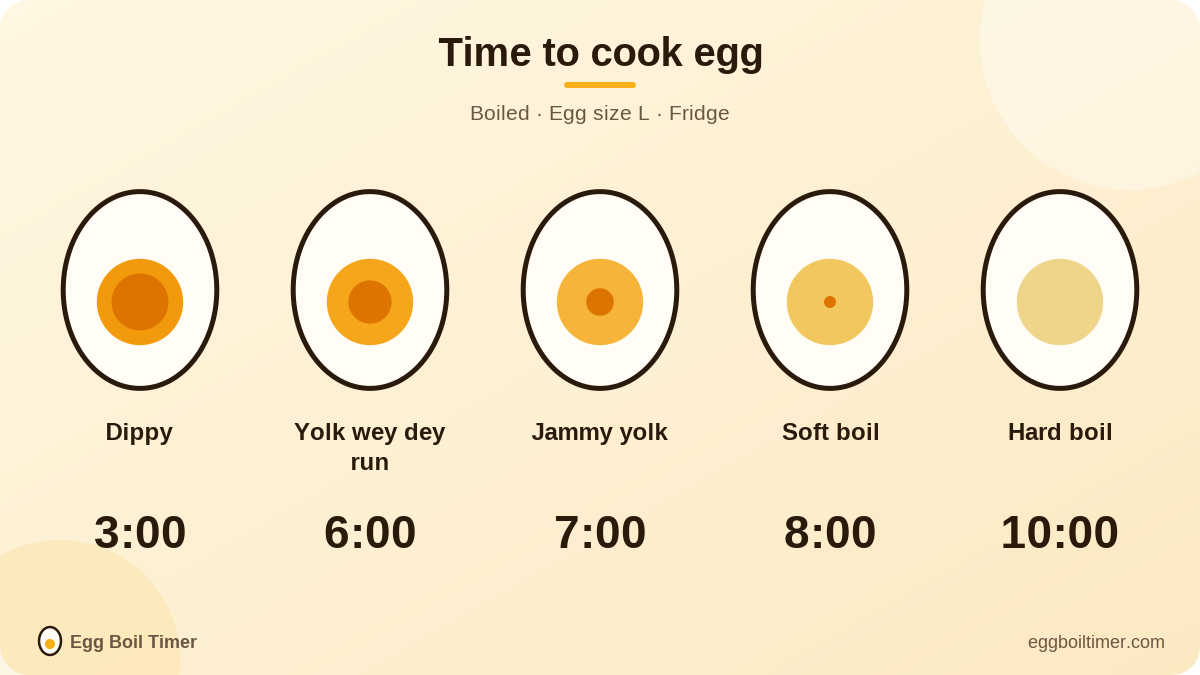
- Pipe and dry slowly: Put mixture inside piping bag. Pipe 4 cm mounds onto prepared sheets. Bake at 100 °C for 90 minutes, then off oven and allow cookies cool inside for 2 hours. For standard boiling benchmarks outside dessert baking, check our Egg Boil Timer">egg boiling timer.
Sugar Ratios And Heat Thresholds Across Applications
The balance of sugar to egg white dey show whether meringue go bake into soft topping or crisp shell. Soft pie meringues dey use 1:1 ratio by weight. Dis one give enough structure to set during 15 minutes at 175 °C while still soft under knife.
Hard meringue shells need 2:1 sugar-to-white ratio. Dis high sugar concentration dey crystallize during low-heat drying, making strong matrix wey fit stand environmental moisture. Adding 1 teaspoon cornstarch and 1/2 teaspoon white distilled vinegar per 4 egg whites dey create classic pavlova texture. The result na crackly outside shell with chewy inside.
| Application. | Sugar to White Ratio. | Baking Temperature. | Bake Time. | Finished Texture. |
|---|---|---|---|---|
| Soft Pie Topping. | 1:1 (30 g sugar per white). | 175 °C. | 12–15 minutes. | Tender, lightly browned top. |
| Pavlova Base. | 1.5:1 (45 g sugar per white). | 120 °C (reduce to 100 °C). | 75 minutes. | Crisp crust, marshmallow center. |
| Hard Cookies / Shells. | 2:1 (60 g sugar per white). | 100 °C. | 90–120 minutes. | Completely dry, brittle, snap crust. |
Diagnosing Weeping, Beading, And Structural Collapse
Moisture and temperature errors dey cause most problems for house meringue preparation. Checking the exact symptom dey reveal the chemical or mechanical cause.
Syrup leaking under crust mean say sugar crystals no dissolve well. During baking, dis coarse crystals dey melt into syrup and leak from foam. Solution: Use superfine sugar. Rub raw batter between your fingers before piping to confirm say grit no remain.
Gold beads forming on top pie topping mean egg white proteins don overcook. Too much heat dey shrink protein walls, forcing water out. Solution: Bake soft meringues for higher heat with short time. Or put dem over hot pie filling so underside go cook well.
Whites wey remain flat and watery usually suffer from oil contamination. Even small oil drop or egg yolk dey coat albumen proteins, stopping dem from binding round air bubbles. Solution: Wash metal bowls and beaters with lemon juice before you start.
Deep cracks across meringue shells come from sharp temperature changes. Fast cooling dey tear the strong sugar matrix. Solution: Leave baked meringues inside closed, turned-off oven until e cool down completely.
Storage Guidelines And Environmental Controls
Baked meringues dey absorb water sharp sharp from air around dem. High humidity dey turn crisp meringue soft and sticky within hours. Store finished cookies inside airtight container at room temperature immediately after cooling.
No store baked meringues inside fridge. Cold air inside house fridge carry high humidity, wey dey melt surface sugar crystals and spoil crispness. Unbaked Swiss or Italian meringues fit stay inside fridge for sealed bowl up to 24 hours before piping.