Turkey eggs na edible fowl eggs wey get cream-colored shells with brown spots, and dem dey weigh between 70 to 90 grams. Dem get rich and creamy taste pass normal chicken eggs because dia yolk percentage higher well well. Again, dia thick shell and strong inner membrane mean say you must adjust boiling time and stove heat.
Anatomy of One Speckled Giant: Shell, Size, and Membrane
One single turkey egg dey average 75 to 80 grams, wey mean say e big pass standard large chicken egg of 55 grams by about 50 percent. Di shell get pointed oval shape with earth-colored patterns. Di color dey range from pale tan to deep cream, with red-brown speckles inside di final hours for di oviduct.
For back of di strong calcium carbonate shell, you go see extra thick inner membrane. E dey feel stronger pass di one wey Kpokpo Ado: Di Anati, How Dem De Form, NutriShun, And How To Kuk Dem get. Dis heavy barrier help protect wild eggs for damp forest floor from heavy birds wey dey make ground nest. When you wan crack raw turkey egg for rim of pan, light tap fit just dent di shell without breaking di sac inside. If you strike di egg sharp against flat table, e go stop small shell pieces from enter di white.
Inside, di structure different well well from normal table eggs. Standard chicken egg get about 60 percent albumen, 30 percent yolk, and 10 percent shell. But turkey egg dey use almost 35 percent of dia weight for di fat-rich yolk. Dis difference create heavy liquid wey dey behave differently under direct heat.
Flavor Profile: How Yolk Ratio Change Taste and Curd Texture
Di taste of turkey egg rich and buttery, no be like bush meat. If person blindfold, e fit hard am to know pasture-raised chicken egg from turkey egg by smell alone, but di mouthfeel go tell you immediately. Di heavy fat inside di big yolk dey coat mouth like heavy cream.
White composition create di second big difference. Turkey egg white get small water and high protein, like ovomucin and ovotransferrin. Inside frying pan, dis thick white no dey spread far. E stand tall around di yolk, quick turn firm white pass normal egg.
When you beat am enter custard or mayonnaise, dis natural emulsifier dey give am fine stability. For gentle scramble over low heat, di curds come out smooth. But if you use strong heat, e go draw water commot from di thick white, make di curd rubbery if you leave am too long for fire.
Turkey, Chicken, and Duck Eggs: Physical and Nutritional Comparison
Comparing whole eggs across different poultry types show why bakers and cooks like turkey eggs even though dem scarce. Official data from USDA FoodData Central show say di weight increase energy and nutrient totals directly.
| Attribute | Standard Chicken Egg | Average Turkey Egg | Average Duck Egg |
|---|---|---|---|
| Average Weight | 50 g (Medium) to 55 g (Large) | 75 g to 85 g | 70 g to 80 g |
| Shell Characteristic | Thin, smooth, white or brown | Thick, speckled tan, tough membrane | Waxy, semi-translucent, white or blue-gray |
| Calories | 72 kcal | 135 to 150 kcal | 130 kcal |
| Protein | 6.3 g | 10.8 g | 9.0 g |
| Total Fat | 4.8 g | 9.4 g | 9.6 g |
| Cholesterol | 186 mg | 737 mg | 619 mg |
| Yolk-to-White Ratio | Approx. 1:2 | Approx. 1:1.8 | Approx. 1:1.6 |
As di table show, one turkey egg give you almost double protein and fat of one chicken egg. For cooks wey dey check calories or cholesterol, to treat one turkey egg like two small chicken eggs go help balance portion. Much like other waterfowl options, di extra yolk mass give high vitamin B12, iron, and choline.
Commercial Scarcity: Why Supermarkets Never Stock Dem
People dey always wonder why carton of turkey eggs never show for supermarket fridge next to Brown or White: The Shell Colour Dey Change Boiling Time?. Di reason na fowl biology, business economics, and resource investment.
Modern commercial hens dey produce table eggs by 18 to 20 weeks of age. Dem dey lay between 280 and 320 eggs every year while chop small feed. Turkey follow different calendar. Female turkey need about 28 to 32 weeks of growth before she lay her first egg. Once she mature, she dey lay only two or three eggs per week for season wey last four to six months. Dis schedule give only 80 to 120 eggs every year.
Dis small output join with bird size. Mature breeding turkey weigh between 6 and 14 kilograms, meaning say e need more space, water, and special feed pass 1.8-kilogram chicken. Fertilized turkey eggs make more money when dem hatch to meat birds. To sell unfertilized eggs for breakfast no dey bring much profit for big poultry farm. Commercial hatcheries keep all viable eggs for meat production. Table eggs remain rare tin wey you only see for farmers' markets or backyard farms.
Boiling, Frying, and Baking with Dense Albumen
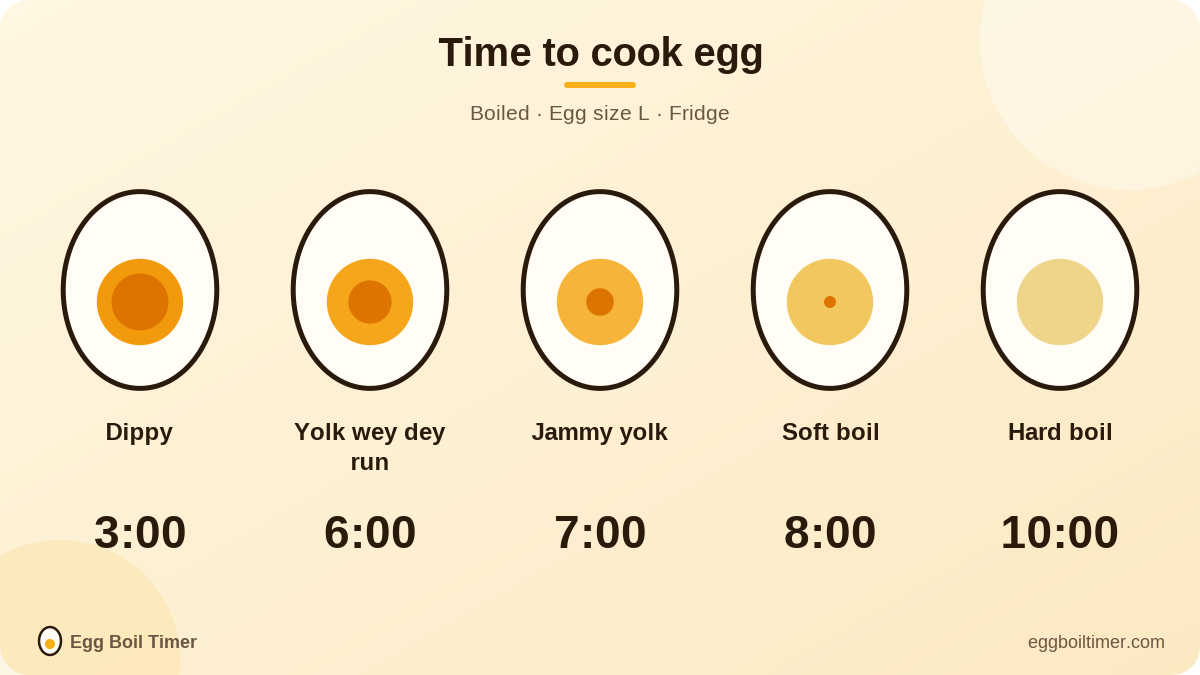
Because turkey eggs get 50 percent more weight pass medium chicken eggs, heat dey enter di yolk slowly. If you use cooking model for Egg Boil Timer, di heavy mass mean say you need longer cooking time to set di yolk.
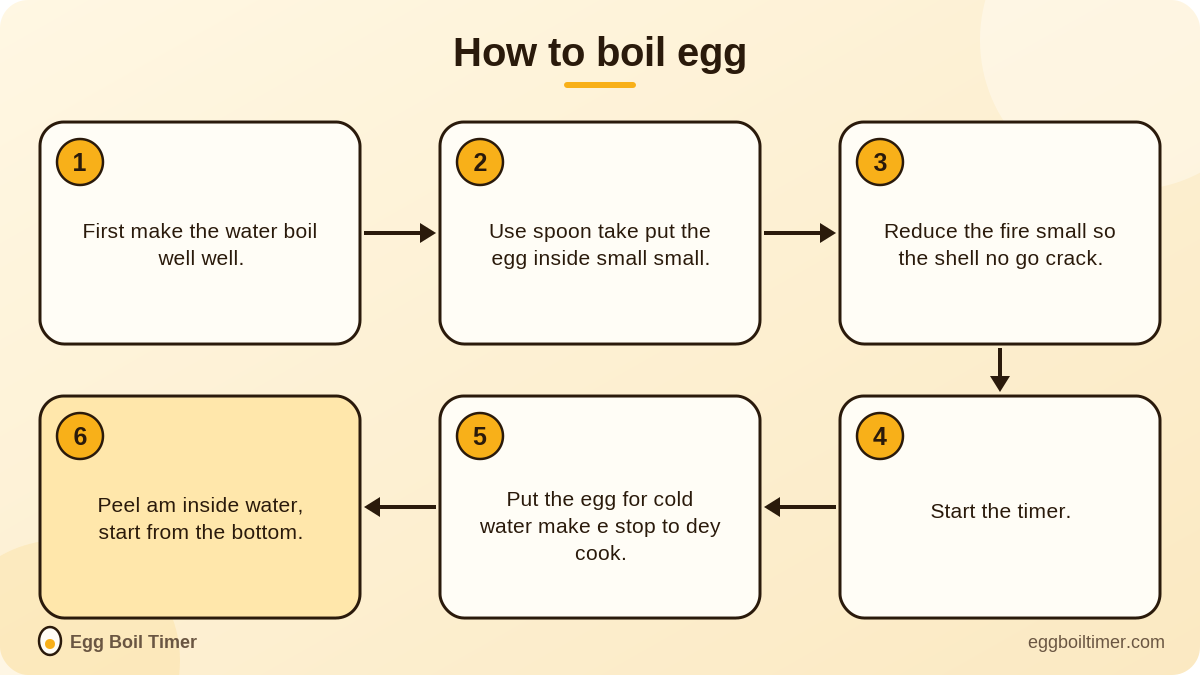
For boiling, always put fridge-cold turkey eggs gently inside boiling water with slotted spoon instead of cold tap water. Di hot water shock loosen di tough inner membrane from shell, wey dey stop wahala during peeling later. Make sure water dey simmer gently at 100 °C to stop heavy shells from hitting pot floor.
- Runny yolk with firm white. Cook for 7 minutes to 7 minutes 30 seconds. Di yolk center reach 63 °C while white set clean without rubber texture.
- Jammy, fudgy yolk. Cook for 8 minutes 30 seconds to 9 minutes. Di center soft with custard-like texture.
- Firm, hard-boiled center. Cook for 12 to 13 minutes. Di yolk reach 77 °C for full set center wey fine for slicing or egg salad.
Quickly put boiled turkey eggs inside ice water bath for at least five minutes to stop internal cooking. For frying, reduce stove burner small below medium heat and cover pan with lid. Because thick white take time to set, covered pan trap steam to finish top surface before bottom burn.
For baking, turkey eggs bring extra fat and protein. To replace two medium chicken eggs with one large turkey egg go rich brioche, pasta, and cakes. E dey give fine crumbs and golden color. For delicate sponge wey depend on whipped egg white, make sure you whip di dense turkey white small longer to build foam volume.
Kitchen Troubleshooting: Shell Cracking, Rubbery Whites, and Peeling
To prepare exotic poultry eggs sometimes bring small kitchen wahala. Di thick shell and protein ratio need different solution when issues happen for stove.
Stubborn shells wey stick to cooked white. Di inner membrane of turkey egg strong. If boiled egg tear during peeling, di egg probably fresh well well. Fresh poultry eggs get low internal pH wey make inner membrane hold tight to white. Make fresh farm eggs rest for fridge for seven to ten days before boiling. Crack shell well under cold water before peeling from wide base.
Rubbery whites around undercooked yolk. If outer white hard while yolk center still cold and raw, your pan hot pass normal. High heat make white hard before heat fit enter 80-gram egg. Reduce fire to gentle simmer for boiled eggs, or use medium heat and pan lid for fried eggs.
Shells cracking inside pot. Quick expansion of air inside against cold shell fit cause tiny crack for boiling water. To pierce wide end of shell with clean pin remove dis pressure instantly. To add teaspoon of salt or vinegar to water go quick seal any white wey wan commot if crack happen.
To cook turkey egg well mean say you respect dia size and protein structure. Same rule apply when you dey handle special game bird eggs and giant Ostrich Egg: Size, Weight, Nutrition, and How to Boil Am.