A classic île flottante (floating island) dey combine light, poached meringue mounds with a pool of chilled vanilla crème anglaise. Spun amber caramel and toasted sliced almonds dey finish the dish. The dessert dey rely entirely on how you separate your Flax Egg White Guide: Ratios, Baking Uses, and Whipping Limits and egg yolks. Whipped whites dey give volume for the poached islands, while the yolks dey thicken a pourable custard sauce without adding starch.
Components of a Classic French Floating Island
Bistro service dey pair three different textures at contrasting temperatures. The base na crème anglaise, a pourable custard cooked from whole milk, egg yolks, sugar, and scraped vanilla bean. The sauce must chill thoroughly before assembly. Its natural viscosity dey support the poached foam without absorbing it.
Resting directly on top of the chilled sauce na the meringue island. Unlike a crisp baked Pavlova Recipe: How to Make Crisp Meringue Base or an Italian How Dem Dey Make Meringue: French, Swiss, And Italian Styles, floating island foam soft, humid, and pillowy. Gentle cooking dey coagulate ovalbumin proteins just enough to trap air permanently without pushing out liquid. Molten amber caramel dey drizzle over the cold surface, hardening instantly into crisp brittle threads.
Whipping Stable Whites and Poaching the Islands
A stable foam need complete isolation from fats. Any stray yolk droplet or greasy bowl surface go coat the egg whites, and dis go prevent the protein web from trapping air bubbles. Whip room-temperature whites on medium speed until dem turn frothy. Adding a quarter teaspoon of cream of tartar dey drop the pH, which dey prevent sulfur bonds from tightening too quickly.
Add superfine sugar one tablespoon at a time only after soft peaks form. Fine crystals dey dissolve rapidly into the egg moisture, strengthening the bubble walls without weighing down the foam. Adding sugar too early go delay volume expansion. Adding it too late go leave undissolved granules that dey weep liquid during cooking.
Two poaching techniques dey cook the shaped foam reliably:
- Poaching in milk: Bring whole milk to 75 °C to 80 °C inside a wide, shallow pan. Shape egg-sized quenelles with two wet spoons. Slip dem inside the hot liquid and poach for two to three minutes per side. Turn dem once with a slotted spoon. You fit strain this poaching milk to make your custard base.
- Oven steaming in a water bath: Lightly butter six ramekins and dust dem with sugar. Fill each one with meringue and level the tops. Set the ramekins inside a roasting pan, add boiling water halfway up the sides, and bake at 120 °C (250 °F) for twenty minutes.
For food safety, egg white foam reach an internal core temperature of 71 °C (160 °F). Check the center with an instant-read probe thermometer. Transfer the cooked meringues to a wire rack lined with parchment paper. Let dem drain and cool completely before plating.
Tempering Crème Anglaise: The 82 °C Window
Crème anglaise dey thicken without added starch or flour. Unsweetened egg yolks begin denaturing and coagulating between 65 °C and 70 °C. Unbuffered direct heat go quickly scramble dem into solid, sulfurous curds. Mixing yolks with sugar dey raise dis threshold, giving you valuable reaction time on the stove.
Whisk the yolks with sugar until dem turn pale and slightly thickened. Heat whole milk with a split vanilla bean until small bubbles gather along the saucepan rim at roughly 80 °C. Pour one third of the hot milk into the yolks in a slow, steady stream while whisking briskly. Dis gradual dilution dey warm the eggs gently without shocking dem.
Pour the tempered mixture back inside the saucepan over low heat. Stir continuously with a flat-bottomed silicone spatula. Trace figure-eight patterns across the pan bottom to eliminate stagnant hot zones. The custard dey rely purely on protein unfolding to create its rich, coating body.
Remove the saucepan from the stove the moment your thermometer read 82 °C to 84 °C. The liquid go cling to the spatula, leaving a clean line when you wipe am with a finger. Immediately strain the sauce through a fine-mesh sieve into a clean bowl set inside an ice-water bath. Rapid cooling dey stop residual cooking.
Measured Ingredients for Six Portions
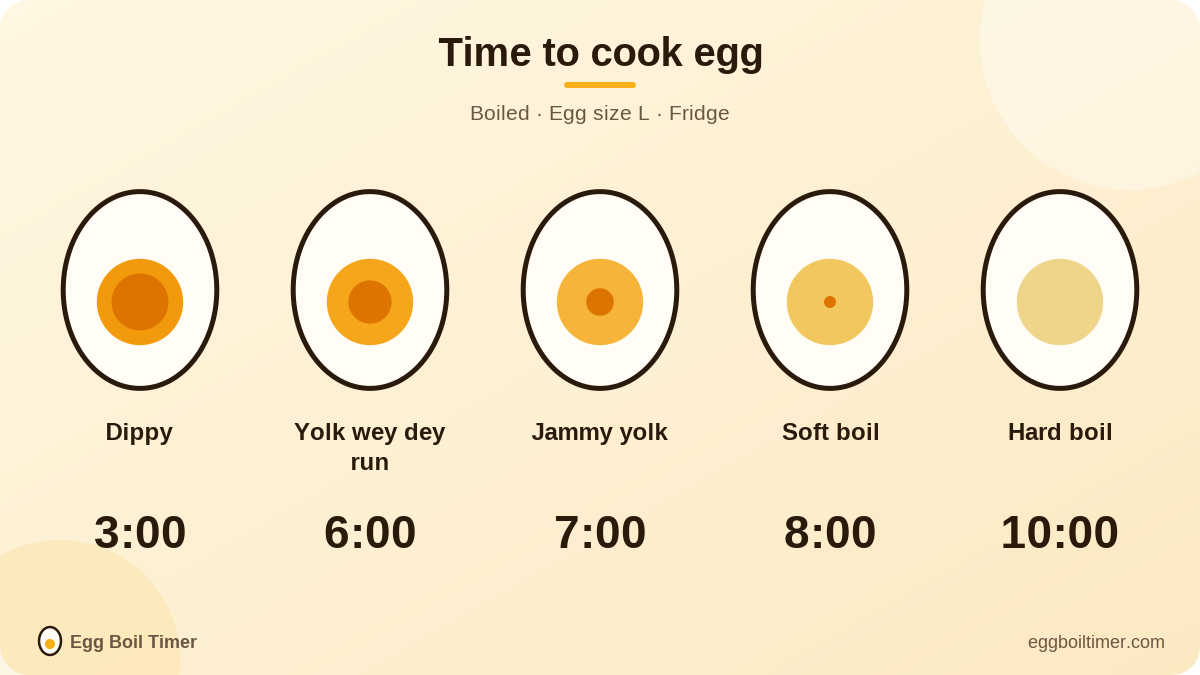
Weighing ingredients dey ensure an exact sugar-to-protein ratio for foam stability and custard body. Foundational egg handling and boiling timing principles dey available on Egg Boil Timer when you dey plan your kitchen workflow.
- Meringue islands: 4 large egg whites (135 g), 70 g superfine sugar, 1/4 teaspoon cream of tartar (or fresh lemon juice), pinch of fine salt.
- Crème anglaise base: 4 large egg yolks (68 g), 500 ml whole milk (3.5% fat), 65 g granulated sugar, 1 whole vanilla bean (split and scraped) or 1 teaspoon pure vanilla bean paste.
- Caramel and garnish: 100 g granulated sugar, 30 ml cold water, 30 g sliced blanched almonds, toasted inside a dry skillet until golden and fragrant.
Plating the Islands and Spun Caramel
Assemble the dessert within thirty minutes of serving. The custard and meringues dey hold well inside the refrigerator, but delicate caramel filaments dey absorb ambient moisture and dissolve if you leave dem sitting on wet foam.
- Pour roughly 80 ml to 100 ml of cold crème anglaise into chilled, shallow dessert bowls or wide coupe glasses.
- Set one drained meringue island into the center of each custard pool. The foam dey float naturally on top of the dense liquid.
- Heat 100 g sugar and 30 ml water in a small heavy saucepan over medium heat without stirring. Swirl the pan gently as the syrup turn from clear bubbles to light gold, then deep amber at roughly 175 °C.
- Remove the caramel from heat instantly and let the bubbles settle for twenty seconds. Dip a fork inside the hot syrup and flick am back and forth across the meringues to spin delicate golden threads.
- Scatter toasted sliced almonds over the warm caramel and serve right away.
Why Meringues Weep and Custard Curdles
Custard sauces and delicate egg foams dey react quickly to heat variations, sugar saturation, and shear stress. Use dis diagnostic matrix to identify and correct structural failures before serving.
| Symptom | Root Cause | Kitchen Correction |
|---|---|---|
| Meringue collapse into flat, dense disks after cooling | Whites overbeaten past stiff peaks or poached inside rolling water | Stop beating when peaks hold glossy hooked tips; keep poaching liquid below 80 °C with no bubbling |
| Syrupy liquid pool under meringue (weeping) | Sugar crystals failed to dissolve, or undercooking left proteins unlinked | Add sugar gradually while whites dey foam; ensure internal meringue temperature reach 71 °C |
| Crème anglaise turn grainy with yellow flecks | Yolks overheated past 85 °C, creating curdled protein knots | Immediately pulse with an immersion blender and pass through a fine-mesh sieve |
| Custard sauce remain watery and thin after chilling | Underheating beneath 78 °C, failing to swell the yolk proteins | Return to low heat and stir until sauce cleanly coat the back of a spoon |
| Caramel dissolve within minutes of hitting the island | High ambient room humidity or moisture sitting on wet meringue surfaces | Gently pat cooked meringues dry with a paper towel before plating; spin caramel right before serving |
Île Flottante Versus Œufs à la Neige
Modern French menus frequently treat île flottante and œufs à la neige (snow eggs) as the same dessert. Nineteenth-century French culinary doctrine separate dem by composition, baking format, and texture.
Chef Auguste Escoffier defined œufs à la neige as quenelles of sweetened egg white poached in milk or vanilla water. Cooks drained these light puffs and floated dem over chilled crème anglaise. The dish was defined strictly by poached foam and custard.
In contrast, the original 19th-century île flottante was built around soaked Klassic Sponge Cake: Di Master Resipe and How Air Enter am. Cooks brushed thin slices with liqueur, layered dem with apricot jam, and wrapped dem in whipped cream or baked foam. The cake floated inside a bowl of fruit coulis or flavored cream.
Over the twentieth century, Parisian brasseries combined both concepts. They applied the romantic name of the floating island to the simpler poached snow eggs. For home cooks exploring baked custard textures rather than pourable sauces, compare the firmer structure of a traditional Classic Flan: Sweet Caramel, Custard Ratios, and Water Bath Baking or caramelized Classic Crème Brûlée: Di Science of Silky Custard.
Make-Ahead Timing and Chilling Logistics
Planning preparation steps across two days dey make floating islands an effortless dinner party dessert. Crème anglaise dey benefit from an overnight rest inside the refrigerator. Extended chilling allows the vanilla bean flavors to infuse deeply into the milk while the custard develop a richer, thicker viscosity.
Poached meringues fit be cooked up to 24 hours in advance. Place the drained meringues on a rimmed baking sheet lined with parchment paper. Cover dem loosely with a dry paper towel to absorb surface condensation, then seal the tray with plastic wrap. Do not stack cooked meringues, or their delicate air pockets go compress.
Never make the caramel in advance. Molten sugar dey absorb ambient humidity within hours, transforming crisp, delicate amber filaments into sticky syrup. Keep your poached islands and custard thoroughly chilled, prepare the dry toasted almonds, and spin the hot caramel over the assembled bowls immediately before you bring dem to the table.