Klassic sponge cake dey rely completely on beaten whole eggs and sugar make e rise, wey mean say no baking powder or baking soda dey inside. Di method dey trap air inside egg protein make di cake soft and elastic. When you whip eggs reach di ribbon stage, e dey form strong film around small-small air bubbles. Oven heat dey make dis air expand while flour starch dey hold am firm.
How Egg Protein Dey Trap Air and Hold di Crumb
Whole eggs dey give water and structure. Standard large egg get about 6.3 grams of protein wey spread for yolk and white. When you beat am strong, di machine dey open up di tight protein molecules make dem go cover di bubble boundaries, forming elastic film wey dey trap air as e dey expand.
Temperature dey control how di foam go stand well. Cold eggs straight from fridge get high thickness wey dey fight air expansion. When you warm di eggs make dem reach about 37 °C (99 °F) inside warm water, di surface tension go reduce, allow whisk machine make e trap millions of small micro-bubbles wey go expand well when baking. Sugar dey help di structure stay strong. As you put am small-small, e dey melt inside egg water and thick di bubble walls so dem no go collapse before heat hold di foam.
Heat dey set everything for two stages between 60 °C and 85 °C (140 °F to 185 °F). First, yolk and white protein dey cook come hard structure. Next, flour starch dey soak water, swell, and gelatinize. Steam wey dey trapped inside air cells dey push di crumb outward, making di cake tall.
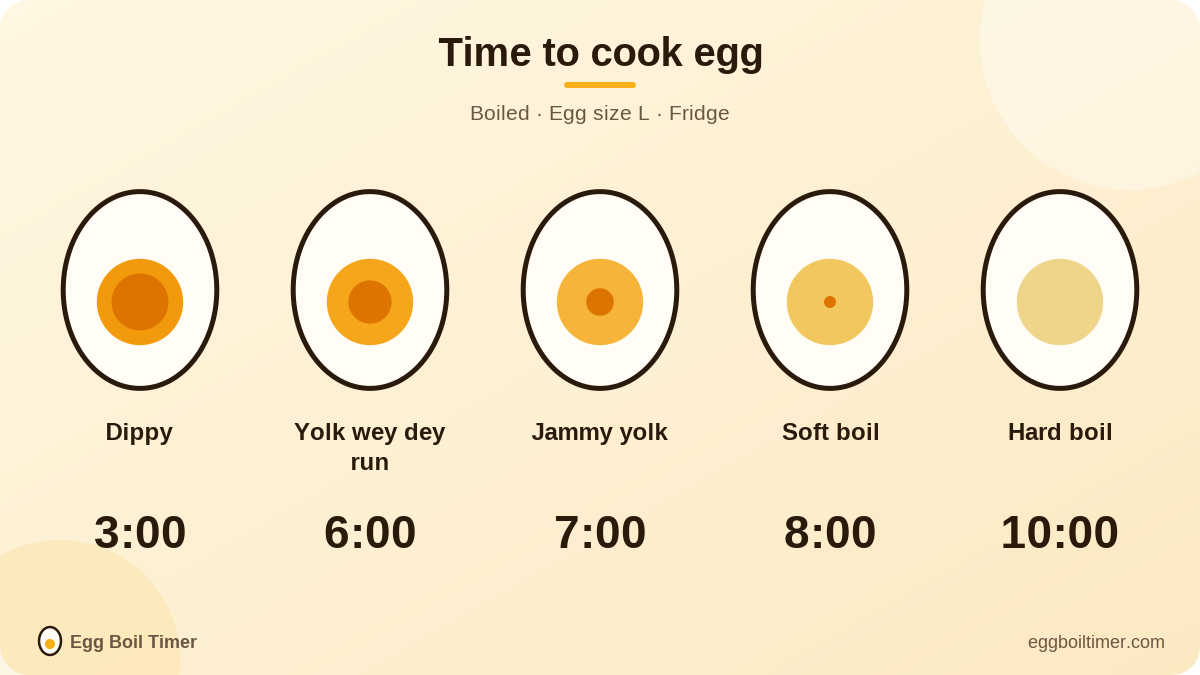
Ingridients and Method for 20-Centimeter Sponge Cake
Dis formula dey produce two soft 20 cm (8-inch) sponge cake rounds wey fit hold layered fillings, and e no need any chemical powder.
- Eggs: 4 large eggs (220 g shelled weight), warm dem inside their shells with warm water for 10 minutes.
- Granulated sugar: 120 g, superfine or castor sugar dey melt fast.
- Cake flour: 120 g, low-protein (8% to 9% protein content), sift am twice before you mix am.
- Unsalted butter: 30 g, melt am and allow am cool small (optional, if you want rich Genoise crumb).
- Vanilla extract: 5 ml (1 teaspoon) pure vanilla extract.
- Fine salt: 1 g (small pinch) to sweeten di egg taste.
- Prepare di pans: Grease two 20 cm straight-sided cake tins and put parchment paper for di bottom. Leave di sides clean without grease so di rising batter fit hold di walls. Heat oven to 175 °C (350 °F) normal, or 160 °C (320 °F) fan.
- Whip reach ribbon stage: Mix eggs, sugar, salt, and vanilla inside bowl. Beat on medium-high speed for 7 to 9 minutes. Di mixture must triple in size and turn pale cream. When you lift di whisk, di batter must form ribbon wey stay visible for four seconds.
- Sift and fold di flour: Sift one-third of di flour over di egg foam. Cut down through di middle with silicone spatula, sweep di bottom, and fold upward. Repeat until you no see dry flour again. Fold di remaining flour for two times, using 15 to 20 strokes all together.
- Add butter if you want: If you want add melted butter, carry 100 ml of batter put inside di butter bowl and stir smooth. Gently fold dis mixture back inside di main batter with three broad strokes.
- Bake and cool: Divide di batter between di pans. Drop each pan for counter from 5 cm height make big air bubbles commot. Bake for 23 to 25 minutes until di middle bounce back when you press am. Turn di pans upside down immediately for wire racks make steam commot without pressing di crumb down.
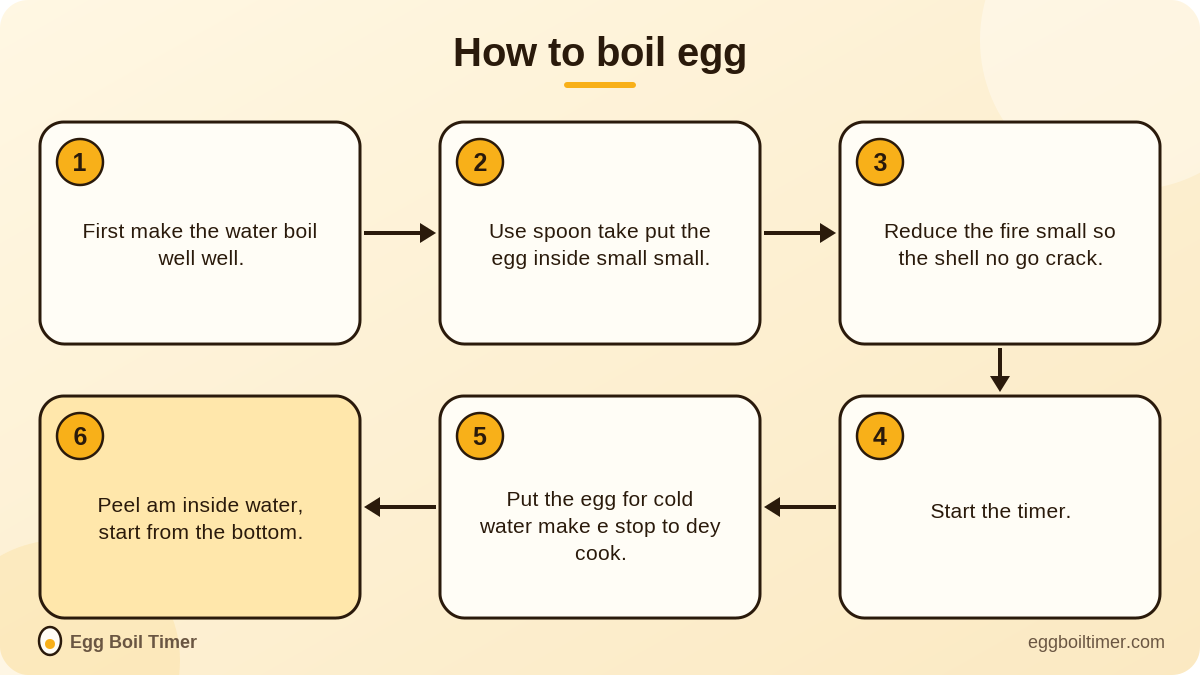
Whipping to Ribbon Stage and Folding Mechanics
If you no whip eggs well, di cake go flat and rubbery, but if you over-whip whole eggs, di cake go dry and crumbly. Look di physical signs instead of clock to know when ribbon stage don reach. Di batter suppose flow from beater like folded silk ribbon. If di lines sink immediately, whip am again for another two minutes on medium speed.
When you dey add flour, you run risk make di foam come down and overwork di gluten. Flour starch get glutenin and gliadin, wey dey form strong strands if you stir am too much with liquid. Sifting dey spread starch well across di foam without heavy mixing. If your recipe use egg whites wey you whip to How Dem Dey Make Meringue: French, Swiss, And Italian Styles, fold am light-light make you protect di small cell walls.
Comparing Genoise, Chiffon, Biscuit, and Angel Food
Di sponge family different by fat source, how dem handle egg, and elasticity. Choose di right style for di filling and moisture level wey you plan.
| Style | Fat Source | Egg Technique | Crumb Profile | Best Culinary Application |
|---|---|---|---|---|
| Klassic Genoise. | Melted butter. | Whole eggs and sugar whipped warm. | Dry, tight, dey soak liquid well. | Layer cakes wey you soak with fruit syrup, French entremets. |
| Chiffon Cake. | Vegetable oil. | Whites whipped to meringue, yolks mixed with oil and flour. | Very soft, dey stay soft even when put for fridge. | Chilled cream cakes, fruit shortcakes, tube pans. |
| Angel Food. | Zero fat. | Egg whites only whipped with sugar and cream of tartar. | Snow-white, chewy, very light. | Fresh berry compotes, light summer desserts. |
| Biscuit Sponge. | None or small. | Yolks and whites whipped separate, then fold together. | Flexible, strong, no dey tear easy. | Swiss rolls, jelly rolls, Ladyfingers (Savoiardi). |
Diagnosing Sunken Centers, Tough Crumbs, and Eggy Notes
Precision baking no gree for careless oven dials or bad folding. Use dis guide make you identify and fix common structural mistakes.
| Defect Symptom | Underlying Cause | Corrective Action |
|---|---|---|
| Sunken crater for middle. | Opening oven door too early, baking under time, or too much sugar weak starch bonds. | Keep oven door shut for first 20 minutes; test crumb resistance before you commot am. |
| Dense, rubbery texture. | Flour overmixed into gluten development, or egg foam don come down. | Sift flour three times; fold using wide bottom-sweeping cuts under 20 strokes. |
| Dry, choking crumb. | Baking past target time, or oven hot pass di dial setting. | Check oven with internal thermometer; soak layers with 1:1 simple syrup. |
| Strong sulfur smell. | Overcooked egg protein or using old eggs wey don stay long. | Bake immediately after mixing; add pure vanilla bean paste or citrus zest. |
| Wrinkled, peeling top crust. | Too much moisture during cooling, or sugar wey no melt finish. | Whip until sugar melt finish; cool upside down on raised wire rack. |
Scaling Pan Volumes and Altitude Adjustments
Pan shape dey control how heat enter di batter. A 20 cm round tin with 5 cm sides dey hold about 1.5 liters of batter. For wider 23 cm pan, batter depth dey drop nearly quarter. Reduce baking time by 4 to 6 minutes for wide tins make edges no dry. Never fill tins pass two-thirds full, or rising foam go spill over di rim and collapse.
For high places above 1,000 meters, low air pressure dey make gas cells expand fast. Reduce sugar by 15 g per 100 g to make moisture hold tight. Increase baking temperature by 10 °C to set protein walls before air cells burst. Add one extra tablespoon of flour per cup to support fast rising.
Handling, Freezing, and Flavor Infusions
Without added shortening, sponge cake dey dry out fast once you cut am. If you bake ahead, wrap fully cooled rounds inside plastic wrap. Store dem for cool room temperature up to two days. You fit also freeze wrapped cakes up to three months. Avoid keeping unfrosted sponge inside fridge, because e dey make starch spoil fast.
Genoise and other lean sponges dey soak liquid toppings without turning soggy. Brush sliced layers with 1:1 simple syrup mixed with citrus peel, rum, or espresso. Top with chantilly cream, fruit preserves, or rich Custard Recipe and Science: How To Make Smooth Egg Cream. Fresh eggs na di foundation for aerated cakes, just as dem be for boiled eggs wey we dey track for our Egg Boil Timer timer.