Senfeier drops peeled soft- or hard-boiled eggs directly into a warm mustard sauce thickened with a quick butter-and-flour roux. Served beside boiled potatoes and crisp bacon lardons, the dish pairs sharp mustard heat with rich yolk and pork fat in under 30 minutes.
From East German Canteens to Modern Home Stoves
Senfeier translates literally to mustard eggs. The dish became a staple across central and eastern German kitchens, cafeterias, and worker canteens during the nineteenth and twentieth centuries. When fresh meat was scarce, pantry eggs provided accessible protein. Cooks turned them into satisfying dinners with basic staples: flour, butter, milk, and pungent cellar mustard. A large hen egg delivers approximately 6.3 grams of protein. Four eggs make a substantial supper when draped over a plate of hot potatoes.
A meatless version using vegetable broth was common on Fridays. However, rendering 50 grams of cured pork belly or Speck yields a savory foundation for the sauce. Like the seared ham in Strammer Max Recipe: German Ham and Fried Egg Toast or the pork cracklings in Bauernfrühstück: The Classic German Farmer's Breakfast, pork fat enriches the dish. Prepared mustard and vinegar add bright acidity. That acid balances the dairy roux and keeps the sauce light on the palate.
Pantry Measures and Ratios for Four Servings
A balanced mustard sauce pairs rich dairy fat with clean heat. German mustards range from mild to searing hot. A two-to-one blend of German medium-hot mustard (Mittelscharf) and Dijon gives deep aroma with a crisp peppery finish.
- Eggs: 6 to 8 large eggs (55 g baseline), chilled.
- Bacon: 50 g cured bacon or smoked Speck, diced into 5 mm cubes.
- Aromatics: 1 medium yellow onion (about 80 g), minced fine.
- Roux Base: 25 g unsalted butter and 25 g all-purpose wheat flour.
- Cooking Liquids: 250 ml whole cow milk and 150 ml low-sodium vegetable or chicken stock.
- Mustard Duo: 2 tablespoons (30 ml) German medium-hot mustard and 1 tablespoon (15 ml) Dijon mustard.
- Acidity & Spices: 1 teaspoon white wine vinegar, 0.5 teaspoon fine sea salt, 0.25 teaspoon ground white pepper, and a grating of fresh nutmeg.
- Side Accompaniment: 600 g waxy yellow potatoes, peeled and quartered.
- Garnish: 2 tablespoons fresh chives, snipped thin.
Whisking the Velvety Sauce and Heating the Eggs
Follow this sequence to ensure the roux incorporates smoothly without clumps, and the mustard retains its volatile aromatic oils.
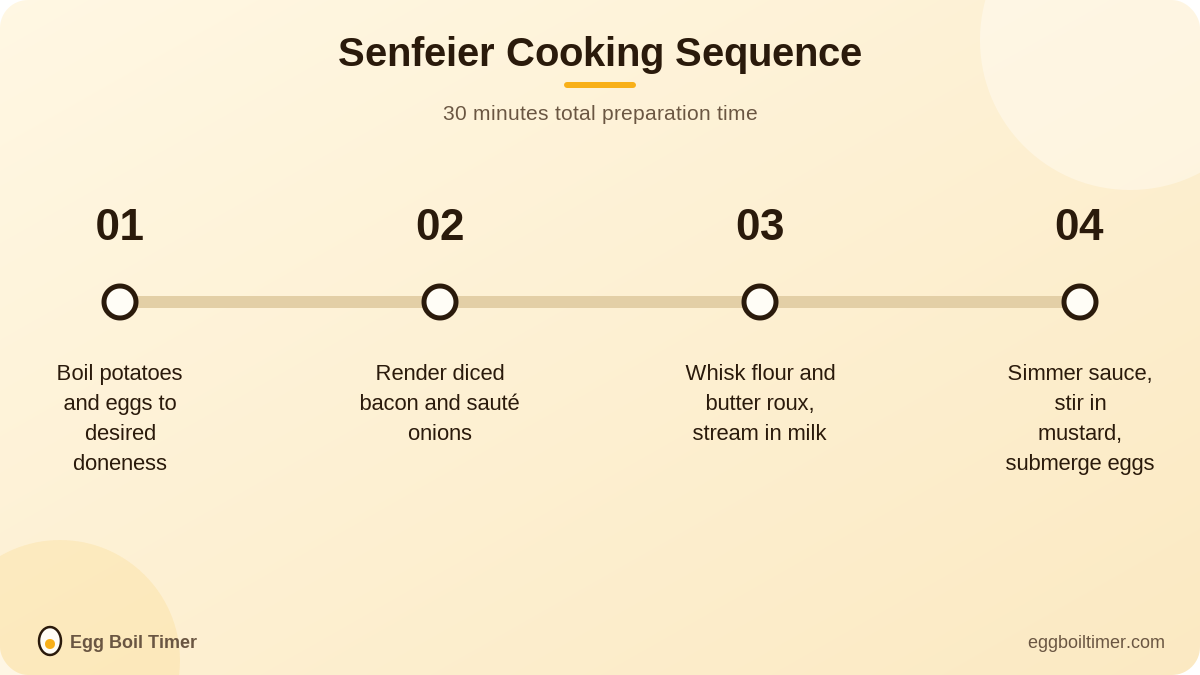
- Cook the potato side: Submerge peeled waxy potatoes in cold salted water. Bring the pot to a boil over medium-high heat. Simmer for 18 to 20 minutes until tender to the tip of a paring knife. Drain, cover, and keep warm.
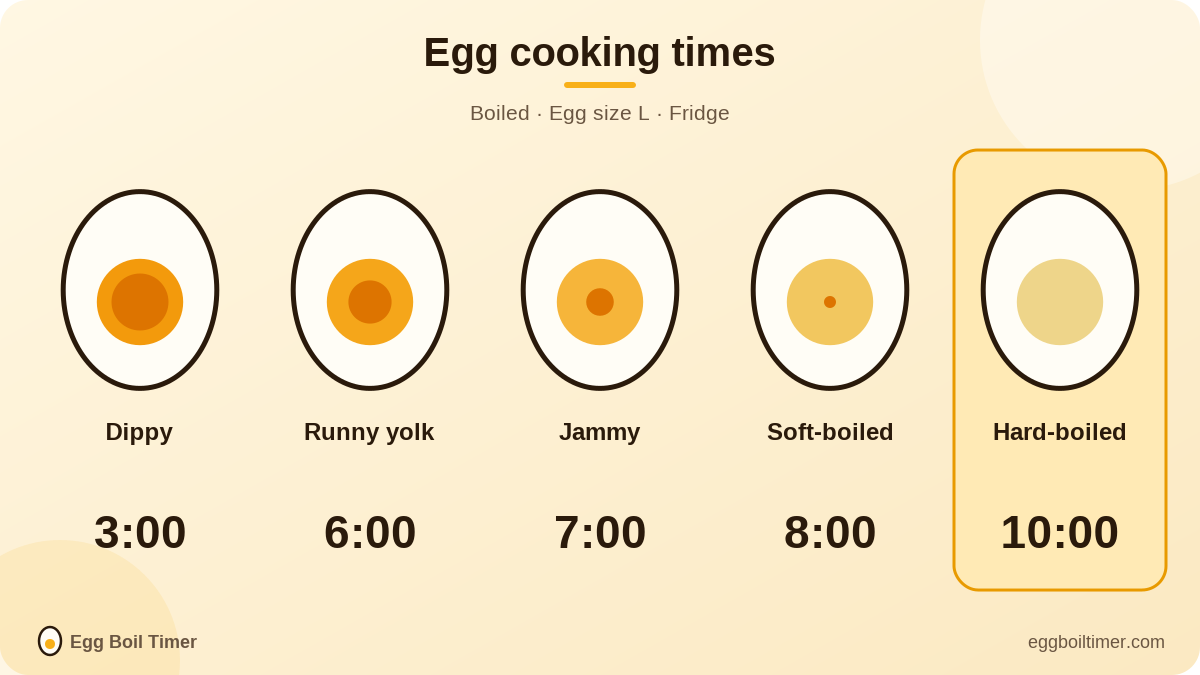
- Boil and shock the eggs: Bring a pot of water to a rolling boil. Lower cold eggs into the water using a slotted spoon. Cook for 7 minutes for jammy centers, or 10 minutes for firm yolks. Transfer the eggs immediately to an ice bath for 3 minutes to stop cooking. Tap each shell, peel under cold running water, and reserve whole.
- Render the cured bacon: Heat a wide skillet over medium flame. Add the diced bacon and cook for 4 to 5 minutes until crisp and golden brown. Lift out the bacon with a slotted spoon. Leave about 1 tablespoon of rendered fat in the pan.
- Sweat the onion: Drop the minced onion into the hot bacon drippings. Cook over medium-low heat for 3 to 4 minutes until soft and clear. Avoid browning, since sweet caramelized notes clash with mustard. Transfer the onions to the bacon bowl.
- Form the blond roux: Add the 25 g of butter to the pan drippings over low heat. Scatter in the 25 g of flour. Whisk continuously for 2 minutes to cook the raw starch without browning the paste.
- Hydrate the velouté base: Pour in the broth in a steady stream while whisking. Add the whole milk next. Simmer gently over medium heat, stirring into the corners of the pan. Cook for 4 to 5 minutes until the sauce coats a spoon with a glossy sheen.
- Incorporate the mustard off the heat: Turn off the burner or slide the pan to a cool spot. Whisk in the medium-hot mustard, Dijon, vinegar, salt, white pepper, and nutmeg. The sauce should taste bright and prickle the tongue with clean warmth.
- Warm the eggs: Halve the peeled eggs or keep them whole. Lower them into the warm mustard sauce. Let them sit over low heat for 2 minutes so the whites warm through without cooking the yolks further.
- Plate and garnish: Divide the boiled potatoes between four plates. Spoon warm mustard sauce and two eggs onto each plate. Top with crisp bacon, softened onions, and fresh chives. Explore more egg classics in our Egg Recipes: Breakfast, Lunch, and Dinner Ideas hub.

Boiling Timers and Doneness Levels for Mustard Eggs
Yolk texture alters how the egg mingles with the warm sauce. A soft yolk breaks into the mustard gravy, creating an enriched sauce on the plate. A hard-boiled egg holds clean lines when sliced. Egg mass shifts boiling time, which you can check on our Egg Boil Timer timer.
| Target Doneness | Medium (50 g) | Large (55 g) | Extra Large (60 g) | Internal Texture in Sauce |
|---|---|---|---|---|
| Runny Center | 5 min 40 s | 6 min 00 s | 6 min 20 s | Liquid yolk spills out fast to enrich the mustard sauce. |
| Jammy / Soft | 6 min 35 s | 7 min 00 s | 7 min 25 s | Fudge-like core clings to the fork, while whites stay tender. |
| Classic Hard | 9 min 25 s | 10 min 00 s | 10 min 35 s | Fully set golden yolk with firm structure for clean slicing. |
Managing Mustard Heat and Emulsion Stability
Mustard heat comes from allyl isothiocyanate. This volatile compound forms when crushed mustard seeds meet liquid. Heat breaks down this compound quickly. Boiling mustard over high heat destroys the bright aromas, leaving bitter undertones behind. Whisking mustard into the sauce at the end preserves its fresh bite.
Acid also risks curdling warm milk. Here, wheat flour starches protect the sauce. The gelatinized starches coat milk proteins, preventing them from clumping when vinegar and mustard enter the pan. Keeping equal parts fat and flour by weight ensures a stable, glossy emulsion.
Fixing Texture Flaws and Overcooked Yolks
Minor timing errors can make mustard sauce lumpy or leave grey edges on egg yolks. Use these kitchen remedies to correct faults quickly.
- Grainy or clumped sauce: Adding milk too quickly can cause flour starches to form small paste lumps. Pour the sauce through a fine sieve into a clean pot, pressing with a ladle. Alternatively, blend the sauce with an immersion stick for 15 seconds before stirring in the mustard.
- Harsh or bitter finish: If the sauce boiled after adding mustard, the flavor oils may have scorched. Smooth the flavor by whisking in half a teaspoon of sugar or a tablespoon of heavy cream.
- Watery sauce coating: If the sauce runs off the eggs, simmer it uncovered over medium-low heat for 3 minutes. You can also whisk in a quick slurry made from 1 teaspoon of cornstarch and 1 tablespoon of cold water.
- Grey-green discoloration on yolks: Boiling eggs longer than 11 minutes triggers a reaction between egg sulfur and yolk iron, forming dark ferrous sulfide. Cool boiled eggs in an ice bath immediately to stop this reaction. For hard eggs cured cold in seasoned brine, see our guide to Soleier Recipe: Traditional German Pickled Eggs in Brine.
Traditional Sides, Capers, and Regional Additions
Boiled waxy potatoes are the classic German pairing for Senfeier. Varieties like Yukon Gold or Sieglinde hold their shape under ladles of warm gravy. Mashed potatoes also work well to soak up stray mustard cream.
Regional cooks across Brandenburg and Saxony often stir 1 tablespoon of drained capers into the sauce. In the Spreewald region, sliced pickled gherkins sit beside the eggs for cold, tart crunch. For a vegetarian meal, swap bacon fat for 15 g of butter and add a pinch of smoked salt to the sauce.


