A hot egg sandwich combines two freshly cooked eggs with warm bread and melted cheese in under ten minutes. Searing the eggs in butter over moderate heat sets the whites while keeping the centers tender. Toasting sturdy bread creates a light moisture barrier. This keeps the crust crisp under heat and steam.
Ingredients and Structural Ratios for a Hot Egg Sandwich
Building a satisfying hot egg sandwich relies on structural bread density and fat control. Two large eggs provide approximately 6.3 g protein each. This gives a double-egg sandwich over 12 grams of protein before adding cheese. Using two slices of bread per two large eggs keeps the structural ratio balanced. The crumb will not collapse under yolk pressure.
Bread choice dictates how well the sandwich handles heat and steam. Sturdy artisan loaves like sourdough, broad rye, or thick-cut brioche form a rigid toasted shell. Standard commercial white bread has an airy cell structure. It absorbs moisture rapidly, collapsing into a soggy paste under hot egg whites.
- Bread: 2 slices sourdough, brioche, or artisan sandwich bread (1.5 cm thick).
- Eggs: 2 large eggs (stored safely at 4 °C or lower).
- Fat: 15 g (1 tbsp) unsalted butter or extra virgin olive oil.
- Cheese: 1 slice (25 g) sharp cheddar, American, or Gruyère.
- Condiments: 10 g Homemade Mayonnaise: Ratios, Oil Chemistry, and Technique or garlic Aioli: Traditional Garlic Sauce and Foolproof Method.
- Seasoning: 1 pinch fine sea salt and freshly cracked black pepper.
Comparing Fried, Scrambled, and Boiled Sandwich Eggs
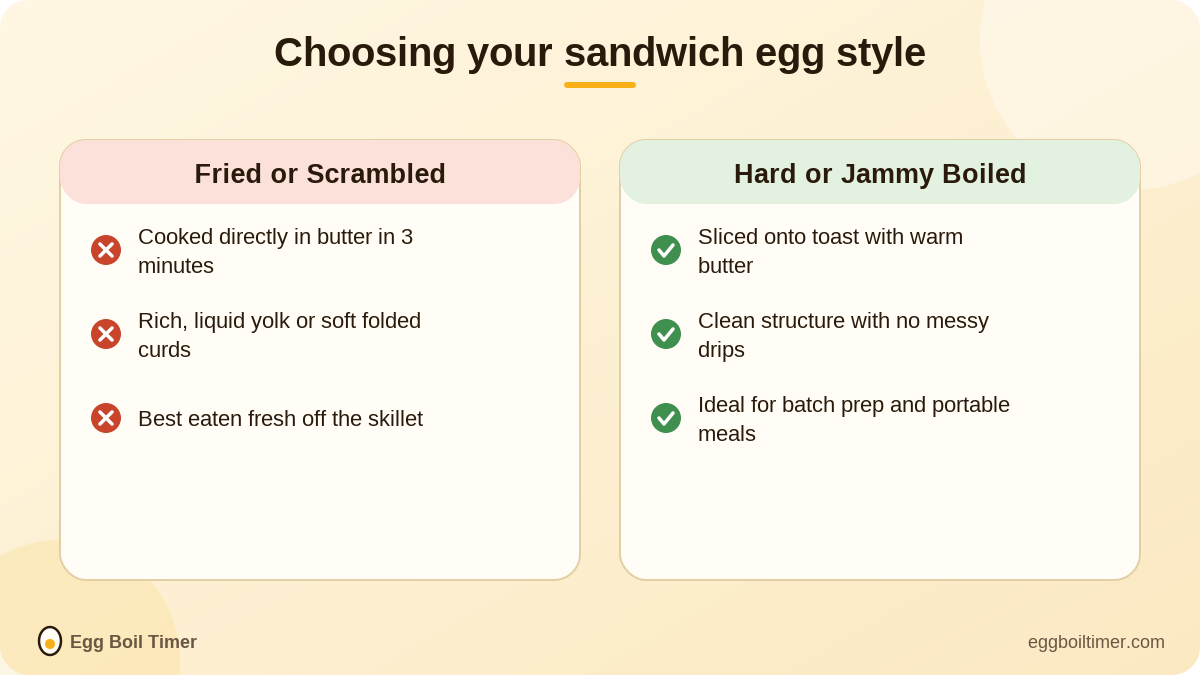
Different egg preparations transform the physical structure and moisture profile of a hot sandwich. An over-easy fried egg yields a liquid yolk that sauces the bread. In contrast, soft scrambled curds create a velvety texture suited for soft rolls. Warm hard-boiled or jammy slices offer non-drip stability for eating on the go.
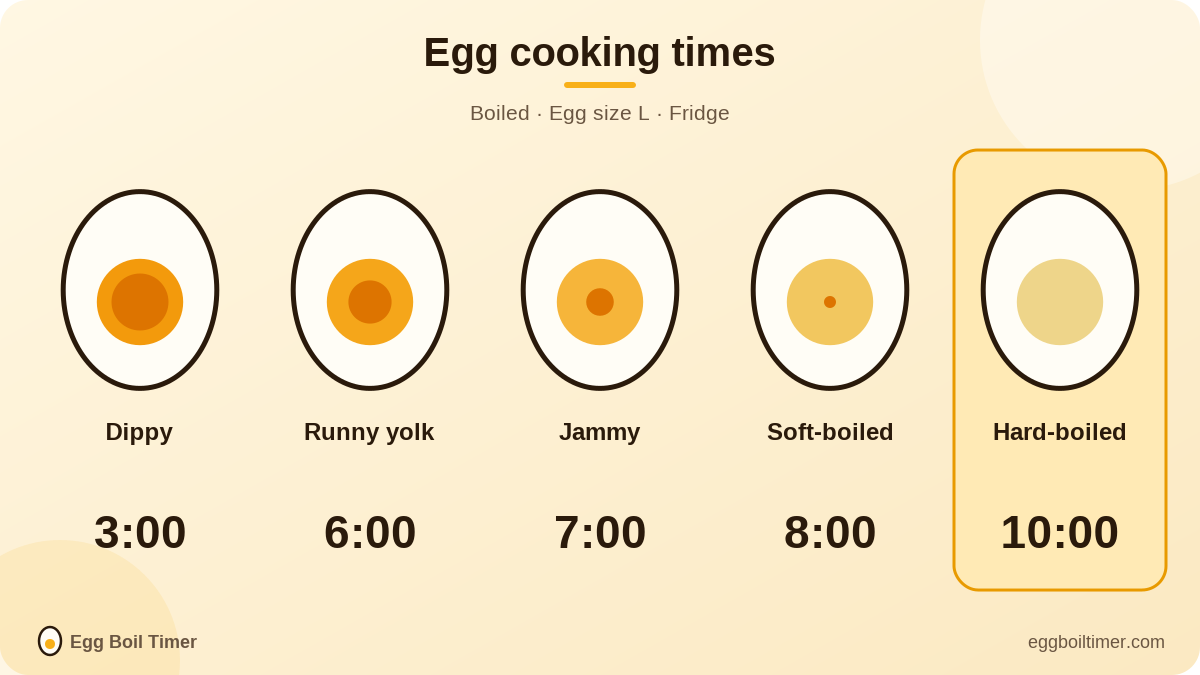
Timing your eggs precisely prevents rubbery albumen or dry yolks. For boiled options, using our Egg Boil Timer interactive timer ensures reliable yolk doneness before slicing eggs onto toast.
| Egg Preparation | Cooking Time | Texture Profile | Best Sandwich Role |
|---|---|---|---|
| Over-Easy Fried. | 3 minutes. | Crisp edges, fluid liquid center. | Immediate eating; liquid yolk coats the toast. |
| Over-Medium Fried. | 4 minutes. | Jammy yolk, fully set white. | Reduced drip risk for casual morning eating. |
| Soft Scrambled Folds. | 2.5 minutes. | Tender, velvety curds. | Brioche buns, breakfast rolls, added bacon. |
| Warm Jammy Sliced. | 7 minutes (boiled). | Fudge-like center, intact white. | Open-faced toast, commuting meals, non-drip eats. |
| Hard-Boiled Sliced. | 10 minutes (boiled). | Firm white, completely set yolk. | Meal prep, cold-to-hot toast melts, pre-wrapped lunches. |
Pairing these distinct egg styles with complementary breads allows you to tailor your breakfast. Explore additional fried and baked ideas in our warm Egg Recipes: Breakfast, Lunch, and Dinner Ideas collection.
Skillet Thermal Control: Toasting and Egg Timing
Cooking a hot egg sandwich in one pan requires thermal control. Managing surface temperature lets bread toast to a deep golden brown while the eggs cook gently. Maintaining pan temperature around 150 °C (300 °F) allows butter to foam without smoking.
- Toast the bread base: Melt 5 g of butter in a skillet over medium-low heat. Lay down two slices of sourdough. Place a slice of cheese on one piece of bread immediately. Radiant pan heat softens the cheese while the bottom crust browns for 2 minutes. Remove both slices.
- Cook the eggs: Add 10 g of butter to the skillet. Crack two large eggs directly into the pan. Season with sea salt and black pepper. Lower heat slightly to prevent the edges from scorching.
- Set whites and fold: For over-easy eggs, let whites set for 2 minutes. Flip gently with a wide spatula, then remove after 30 seconds. For scrambled style, whisk eggs with a fork. Pour into the pan and sweep into soft folds over 90 seconds.
- Layer and press: Stack cooked eggs directly over the melted cheese slice. Top with the second toast slice. Press lightly with the spatula for 15 seconds to lock the layers together.

Spread Dynamics: Butter, Mayonnaise, and Hot Sauces
Condiments in a hot egg sandwich do more than impart flavor. They alter how heat and moisture transfer between ingredients. Applying lipids like butter or mayo directly to the crumb creates a hydrophobic shield. This fat layer repels liquid released by steam, preserving toasted sourdough crunch.
Pan-frying bread coated in mayonnaise produces an even, golden crust. Because mayonnaise is an emulsion of oil and egg yolk, its proteins brown steadily at moderate heat. This prevents scorching while adding a subtle tangy flavor.
Warm sauces like emulsified Hollandaise Sauce: Classic Stovetop and Blender Methods or spicy pepper blends add richness. Apply liquid condiments sparingly so toasted bread stays crisp. Spread thick mayo or butter on interior bread surfaces. Apply thin hot sauces directly onto cooked egg whites.
Preventing Soggy Bread, Sliding Cheese, and Ruptured Yolks
Even simple sandwiches suffer from mechanical failures during preparation. Managing moisture, layer ordering, and frying temperatures resolves the most frequent issues.
| Symptom | Primary Cause | Kitchen Fix |
|---|---|---|
| Soggy toast crumb. | Steam trapped under warm egg. | Toast bread darker and spread thin butter edge-to-edge before adding eggs. |
| Cheese remains solid. | Added too late or pan too cold. | Place cheese on the bread while still in the pan or cover the frying egg for 30 seconds. |
| Ingredients slide out. | Lack of binding matrix. | Layer cheese between hot egg and bread so melted fat acts as edible glue. |
| Ruptured egg yolk. | High drop height or rough flip. | Crack eggs into a small bowl first, then slide gently into medium-low butter. |
| Rubbery egg whites. | Excessive pan heat. | Lower skillet heat to 150 °C so albumen sets gradually without becoming tough. |
If you encounter persistent sticking or broken yolks in the pan, review our troubleshooting steps for dishes like French Toast: The Ratio, Bread Choice, and Pan Heat and Classic Eggs Benedict Recipe: Poached Eggs and Silky Hollandaise.
International Warm Egg Sandwich Style Guides
Global culinary traditions showcase diverse ways to pair hot eggs with regional breads and seasonings.
In Germany, the open-faced Strammer Max Recipe: German Ham and Fried Egg Toast places a fried egg over pan-seared ham and buttered rye bread. Korean street vendors make Gilgeori Toast with eggs scrambled alongside shredded cabbage and carrots. They tuck the eggs between buttered toast and finish with a light sprinkle of sugar.
In North America, portable options like the warm Breakfast Burrito: Crispy, Freezer-Friendly, and Never Soggy wrap scrambled eggs, chorizo, and melted cheese inside a toasted flour tortilla. Room-temperature spreads like classic Egg Salad BLT: Recipe, Assembly, and Egg Boiling Timing offer easy portability for lunch. However, hot egg sandwiches deliver superior melted cheese texture when eaten fresh.
Reheating, Hold Times, and Safe Internal Temperatures
Food safety practices ensure warm egg dishes remain safe while preserving texture. Raw eggs must be stored under refrigeration at 4 °C (40 °F) or below before cooking.
USDA FSIS safety standards advise cooking eggs until both yolk and white are firm. Reaching an internal temperature of 71 °C (160 °F) eliminates Salmonella risks. Vulnerable groups like young children, pregnant women, and older adults should consume fully set eggs. Runny yolks carry higher safety risks. This is general information, not medical advice.
Holding assembled sandwiches for extended periods degrades texture quickly. For advance meal prep, select fully cooked scrambled folds or hard-boiled slices. Avoid runny yolks when storing assembled sandwiches. Wrap individual sandwiches tightly in aluminum foil and store in the refrigerator for up to two days. Reheat in a 175 °C (350 °F) oven or air fryer for 8 to 10 minutes until the center reaches 71 °C.


