Deviled eggs remain the undisputed crown jewel of cold hors d'oeuvres across culinary history. Known in French gastronomy as oeufs mimosa, in German cuisine as russische eier, and across Italy as uova ripiene, this preparation balances savory richness with bright acidity. Achieving restaurant-grade results requires mastering two separate physical techniques: boiling eggs so shells slide off cleanly without tearing delicate whites, and emulsifying crumbly cooked yolks into a silky, pipeable cream. For baseline cooking times and stovetop techniques, explore our Egg Boil Timer, our timer for hard-boiled eggs, our How to Boil Eggs: Master Soft, Jammy and Hard Boiled Eggs, and our tender Baked Eggs in Ramekins: Shirred Egg Recipe and Oven Times.
The term deviled originated in eighteenth-century England to describe savory foods prepared with pungent spices, mustard, or hot condiments. While traditional recipes emphasize heavy pinches of cayenne pepper, modern versions prioritize structural balance. A flawless deviled egg presents a firm, snow-white albumen cup with zero sulfur discoloration, filled generously with an aerated yolk cream that holds sharp fluted ridges without weeping moisture.
Boiling and Ice-Shock Mechanics for Clean Shell Separation
Nothing ruins deviled egg preparation faster than stubborn shells that take half the egg white with them during peeling. Peeling success is decided in the saucepan before cooking even starts.
Egg freshness directly controls albumen adhesion. In freshly laid eggs, the albumen has a neutral pH near 7.6. Carbon dioxide gradually diffuses out through the porous shell over seven to ten days of refrigeration, raising albumen pH to approximately 9.2. This alkaline shift weakens the chemical bond between the inner keratin membrane and the coagulating white proteins. For this reason, store-bought eggs bought one week before boiling peel far cleaner than fresh farm eggs.
Water temperature at the start of cooking creates the necessary thermal shock. Lowering cold eggs directly into rapidly boiling water causes the outermost albumen proteins to denature instantly into a dense, solid skin that pulls cleanly away from the inner shell membrane. Starting in cold water allows albumen proteins to heat up gradually, bonding tightly to the shell wall.
- Bring water to a vigorous boil: Fill a heavy saucepan with enough water to submerge your eggs by at least one inch. Bring the liquid to a rolling boil over high heat.
- Lower cold eggs gently: Using a slotted spoon, lower twelve cold large eggs straight from the refrigerator into the bubbling water one by one. Reduce the heat slightly to maintain a gentle, steady simmer without violent rattling.
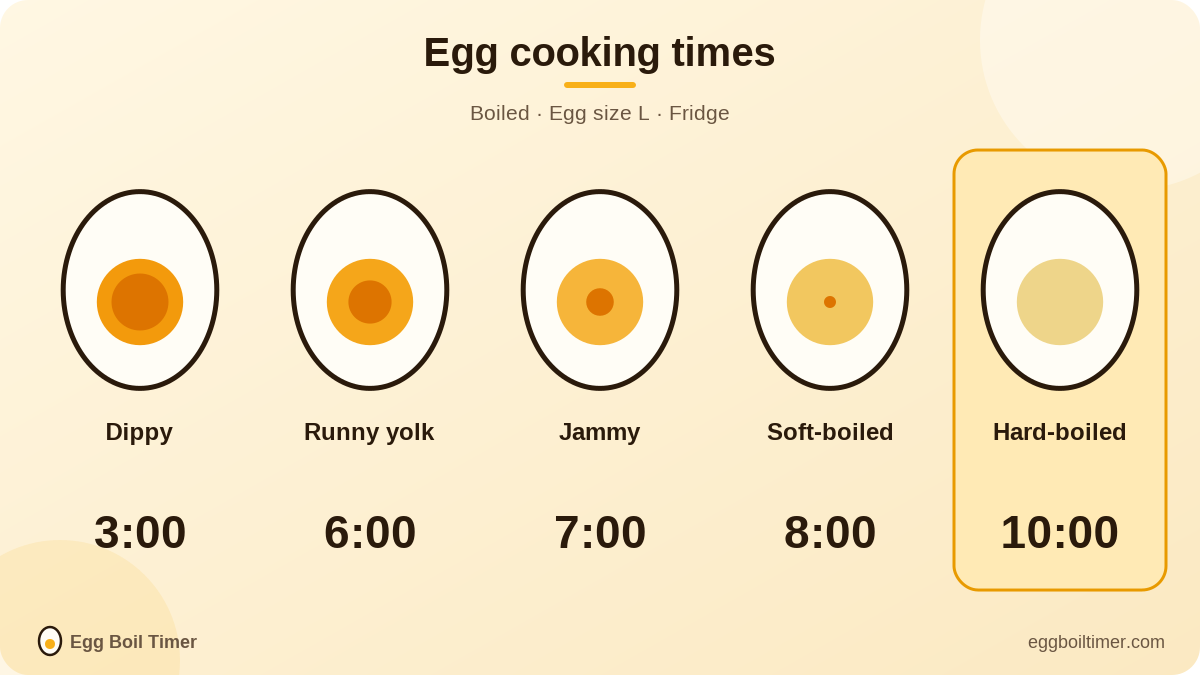
- Boil for twelve minutes: Cook large eggs for exactly twelve minutes. This duration fully coagulates the yolks into a rich, solid custard without triggering the chemical reaction that forms unsightly green ferrous sulfide rings.
- Transfer to an ice water bath: Immediately transfer the boiled eggs into a bowl filled with equal parts ice cubes and cold water. Let them chill undisturbed for fifteen minutes to arrest cooking and contract the egg bodies.
- Crack and peel under water: Tap each chilled egg gently on the counter to crack the shell all over, then peel under cold running water or submerged in the ice bath. Water slips under the membrane, gliding the shell away effortlessly.
Yolk Emulsion Science and the Golden Filling Ratio
Hard-boiled egg yolks are packed with natural lecithin, making them exceptional natural emulsifiers when hydrated with fat and acid. Skipping mechanical breakdown produces a gritty filling with tiny dry lumps that clog piping tips.
Pressing warm or room-temperature yolks through a fine-mesh tamis or wire sieve breaks protein granules down to microscopic particles before any liquid is introduced. Whisking alone cannot crush dense cooked yolk centers. Once sieved, the powdered yolks absorb fats smoothly, creating an aerated mousse with a glossy, mayonnaise-like sheen.
| Component | Measurement | Culinary Function | Flavor Contribution |
|---|---|---|---|
| Hard-boiled egg yolks | 12 large yolks (sieved) | Protein base and lecithin emulsifier | Rich, buttery egg foundation |
| Whole-egg mayonnaise | 1/3 cup (80 ml) | Oil-in-water lipid emulsion | Creamy viscosity and body |
| Dijon mustard | 1.5 teaspoons (7.5 ml) | Natural plant mucilage stabilizer | Pungent, tangy backnote |
| Apple cider vinegar or pickle juice | 1 teaspoon (5 ml) | Acid balance and fat cutting | Bright tartness and crisp finish |
| Fine sea salt and white pepper | 1/4 teaspoon each | Flavor enhancer and seasoning | Clean savory seasoning without dark flecks |
| Smoked Spanish paprika | 1/2 teaspoon for dusting | Aromatic finish and visual contrast | Warm earthiness and vibrant red color |
Commercial whole-egg mayonnaise provides a stable emulsion that resists weeping at room temperature. Sweet salad dressings add excess water that causes piped swirls to flatten.

Piping Steps and Texture Troubleshooting
Presentation distinguishes an everyday boiled egg snack from a celebration platter. Using a piping bag fitted with an open star tip aerates the filling as it leaves the nozzle, giving each egg an elegant, swirling crown.
- Halve the whites cleanly: Wipe a sharp chef knife with a damp paper towel between cuts. Slice peeled eggs lengthwise into two equal halves. Gently pop the cooked yolks into a medium bowl, keeping the delicate white cups intact on a serving platter.
- Sieve the yolks: Use the back of a silicone spatula or a large spoon to press the yolks through a fine-mesh strainer into a clean bowl until you have a fluffy mound of yellow powder.
- Blend the filling emulsion: Fold the mayonnaise, Dijon mustard, vinegar, salt, and pepper into the sieved yolks. Beat with an electric hand mixer on medium speed for ninety seconds until the mousse turns silky and pale yellow.
- Load the piping bag: Fit a disposable pastry bag with a medium closed or open star tip. Fold the bag edges down over a tall drinking glass to fill neatly without air pockets. Twist the top securely to build pressure.
- Pipe with steady pressure: Hold the piping tip vertically directly above the center cavity of an egg half. Squeeze steadily to fill the hollow, then finish with a gentle clockwise swirl. Repeat across all twenty-four halves.
Whisk in a teaspoon of pickle brine if the filling feels stiff, or chill the piping bag for thirty minutes if room heat softens the butterfat.
Classic Garnishes and International Flavor Traditions
While sweet or smoked paprika represents the timeless standard garnish, deviled eggs readily adapt to creative regional variations.
Southern American deviled eggs welcome crisp crumbled bacon or paper-towel-drained sweet pickle relish folded into the yolk cream.
French oeufs mimosa fold fresh tarragon and crème fraîche into the yolks, grating reserved hard-boiled yolk over the tops to resemble yellow mimosa blossoms.
Spanish and Mediterranean versions crown each egg half with an oil-packed anchovy fillet, slivered Spanish green olives, or a spoonful of flaked bonito tuna. The briny saltiness cuts through the fatty yolk filling with sensational contrast.
Food safety requires chilling mayonnaise-based platters. Never allow deviled eggs to sit at room temperature for longer than two hours, or one hour in hot weather above 90 °F (32 °C).