Decorated Easter eggs represent renewal, spring abundance, and the empty tomb of the Christian resurrection. Families prepare hard-boiled eggs by steeping them in vinegar-acidified pigment baths, drawing intricate wax patterns, or simmering them with plant skins. Safe handling requires chilling boiled eggs within two hours if you plan to eat them.
Sacred Symbols and the Theology of Spring
A bird egg holds new life behind a sealed, chalky barrier. Long before Christianity, Mediterranean and Near Eastern farming communities saw spring eggs as concrete evidence of nature returning from winter dormancy. Mesopotamian Christians adopted the symbol in the second and third centuries. The hard shell represented the sealed tomb outside Jerusalem, while cracking the egg commemorated Christ breaking out of death on Easter Sunday.
The custom took root across everyday households because of strict Lenten rules. Medieval fasting laws prohibited meat, milk, cheese, and eggs during the forty penitential days before Easter. Chickens, however, kept laying as daylight hours lengthened in late winter. Farmers could not sell or eat the eggs fresh. They boiled them hard to slow spoilage, stored them in cool cellars, and brought them to church for blessings on Easter morning.
From Mesopotamian Basins to Medieval Lenten Bans
Decorating eggshells predates biblical history. Engraved ostrich eggs in southern Africa date back over sixty thousand years. Mesopotamian royal graves from the third millennium BCE also contained decorated gold and silver egg replicas. Across ancient Persia, families celebrated Nowruz by painting hen eggs for the vernal equinox.
Christian usage formalised around the Mediterranean basin during the Roman era. Early church writers recorded believers dyeing shells deep crimson to represent the blood of the Crucifixion. That practice remains central to Greek and Eastern European liturgies. In 1290, English royal accounts recorded King Edward I purchasing 450 eggs for eighteen pence. The kitchen boiled them, wrapped the shells in gold leaf, and handed them to household knights on Easter Sunday.

What Traditional Dye Colors and Symbols Signify
Color choices in traditional folk decorating carried precise meanings before commercial food coloring existed.
- Red remains the primary liturgical color across Greece and the Levant, signifying the blood of Christ and triumph over death.
- Green marks new meadow grass, spring crops, and physical renewal across Central and Eastern Europe.
- Yellow represents the sun, harvest warmth, and hospitality, traditionally extracted from dried onion skins or chamomile flowers.
- Blue reflects spring skies, clear waters, and spiritual dedication.
- White denotes the raw calcium of the shell, traditionally associated with innocence and fresh starts.
Geometric motifs carried equal weight. Endless ribbons and winding spirals drawn on Slavic eggs symbolized eternity and protection against household misfortune. Triangles stood for the Holy Trinity. Fine pine needles and stylized roosters wished good health and fertility upon anyone receiving the decorated egg.
Boiling Clean Shells for Dyeing Without Gray Rings
A cracked shell lets hot water and dye seep into the white, ruining both the pattern and the flavor. For decorating and peeling cleanly, the egg white must be completely set without rubbery margins. The timer model at Egg Boil Timer calculates the heat curve down to the second based on egg weight and starting temperature.
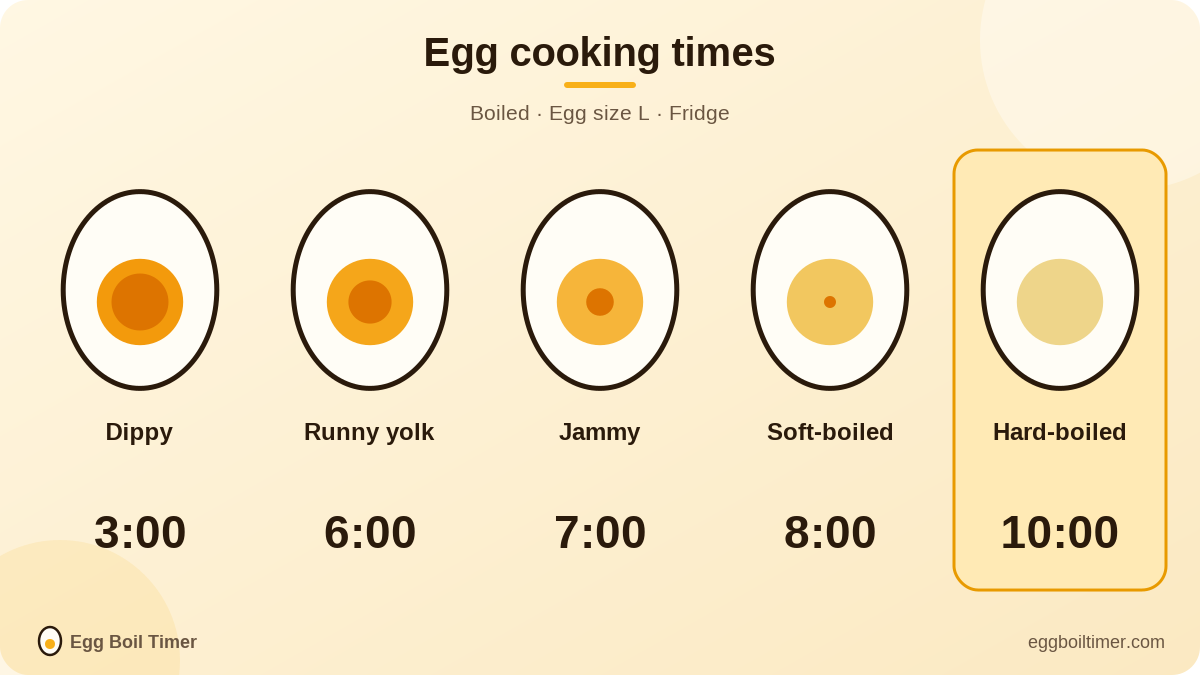
Always lower cold eggs into water that is already boiling rather than bringing them up from cold tap water. Sudden heat shocks the outer albumen proteins so they denature instantly, preventing them from fusing with the inner shell membrane. A large egg from the refrigerator needs 10 minutes at a steady simmer at sea level to reach a fully firm yolk.
Move the cooked eggs immediately into a bowl of ice water for fifteen minutes. Chilling shrinks the interior albumen away from the shell wall, expanding the blunt-end air pocket and making peeling easy. Rapid cooling also halts residual cooking. This stops sulfur in the white from binding with yolk iron, preventing an unsightly gray-green ring.
Food Dye, Onion Skins, or Wax Resist: Comparing Methods
Choosing a dyeing method depends on whether you value speed, natural pantry ingredients, or delicate artisan patterns.
Four common decorating methods differ sharply in prep time, visual depth, and food safety.
| Method. | Key Materials. | Shell Preparation. | Visual Result. | Safe to Eat. |
|---|---|---|---|---|
| Standard Food Coloring. | Liquid food dye, hot water, and white vinegar. | Hard-boiled, cooled, and dried. | Uniform pastel or deep jewel tones. | Yes, keep refrigerated. |
| Onion Skins. | Simmered yellow or red onion skins and vinegar. | Hard-boiled directly in the strained bath. | Terracotta, mahogany, and warm ochre tones. | Yes, keep refrigerated. |
| Red Cabbage Infusion. | Boiled purple cabbage leaves and strained water. | Hard-boiled and soaked cold overnight. | Duck-egg blue to rich slate teal. | Yes, keep refrigerated. |
| Wax-Resist Batik (Pysanky). | Beeswax, stylus (kistka), and cold craft dyes. | Raw, blown hollow eggshell. | Multilayered geometric fine linework. | No, display only. |
For standard kitchen food coloring, combine half a cup of boiling water with one teaspoon of distilled white vinegar and twenty drops of liquid dye. Distilled vinegar is essential here. The acetic acid lowers the water's pH, neutralizing the negative charge on the shell's calcium carbonate. This chemical shift lets synthetic dye molecules bind tightly to the mineral matrix.
Fixing Splotchy Dye, Chalky Shells, and Peeling Tears
Even coverage requires clean mineral contact. Commercial eggs in North America receive an edible mineral oil wash after factory cleaning to replace the natural protective cuticle. That light oil film repels water-based pigments if left unwashed.
- Splotchy or uneven pigment: Wipe raw shells gently with a cloth dipped in warm soapy water before boiling. You can also rub hard-boiled shells with a vinegar-soaked towel before dipping. Brown shells muddy pastel hues, so use white shells for clear blues and pinks.
- Pale or washed-out shades: Add an extra tablespoon of vinegar to increase the bath acidity. If the water lacks acidity, pigment washes straight off the alkaline calcium carbonate. Leave eggs in the chilled dye bath for twenty minutes to deepen the tone.
- Hairline shell fractures: Never dip chilled eggs straight into scalding dye. Fast thermal expansion cracks brittle calcium shells instantly. Let hot dye baths cool to room temperature before submerging fridge-cold eggs.
- Albumen clinging to shells during peeling: Fresh eggs have an acidic albumen pH near 7.6 that binds tightly to inner membrane proteins. Older eggs absorb air through their pores, raising internal pH toward 9.2 and releasing the membrane cleanly.
Regional Styles Across Eastern Europe and the Mediterranean
Easter traditions diverge widely across continents, turning eggs into fine art, liturgical centerpieces, or social sport.
In Ukraine and Poland, folk artists decorate eggs using a kistka, a miniature brass funnel mounted on a wooden stick. The decorator scoops molten beeswax into the funnel and writes fine wax lines over a raw, hollowed shell. Submerging the egg in sequential cold dye baths from yellow to black reserves earlier shades under wax layers. Heating the shell near a candle flame melts the wax away, revealing the intricate web of lines. The same wax-resist techniques appear in folk crafts year-round, including dark seasonal projects like Spider Deviled Eggs: The Halloween Plate Kids Actually Finish.
In Greece, families dye whole pots of eggs crimson on Holy Thursday using madder root or food coloring. On Easter Sunday, diners play tsougrisma, an egg-tapping challenge where two people tap the ends of their eggs together. The player whose shell survives unbroken after all rounds is said to enjoy good luck for the year.
Across Germany and Austria, the Ostereierbaum tradition involves blowing out egg contents, painting the empty shells with lacquers, and tying them to bare garden branches with ribbons.
Display Times, Food Safety Limits, and Chilling Rules
Eggshells are porous mineral matrices pierced by roughly seven thousand microscopic pores. Boiling washes away the shell's natural waxy cuticle, leaving the interior vulnerable to airborne bacteria and moisture loss.
Food safety authorities require hard-boiled eggs intended for eating to stay out of the danger zone between 4 °C and 60 °C (40 °F and 140 °F). Never leave boiled eggs at room temperature for longer than two hours. When ambient temperatures climb above 32 °C (90 °F), that safety limit drops to one hour.
If you organize an outdoor egg hunt on grass or set eggs across an unchilled dining table, treat those eggs purely as decorations. Discard them after the celebration. Soil, damp lawn turf, and warm hands introduce bacteria that penetrate porous shells quickly. If you plan to eat hard-boiled eggs, dye a separate batch and keep it continuously refrigerated.
Store cooked, unpeeled eggs in an egg carton on a central refrigerator shelf rather than the door tray. Hard-boiled eggs kept at 4 °C (40 °F) or below remain fresh for up to 7 days.
Rolling, Tapping, and Hunting: Traditional Egg Games
Spring egg games took shape as communal pastimes once Lenten fasting ended. The White House Easter Egg Roll, staged in Washington since 1878, challenges children to steer hard-boiled eggs across grass using long wooden kitchen spoons.
Across northern England and Scotland, families take boiled eggs to local hillsides on Easter Monday for pace-egg rolling. Players send decorated eggs tumbling down steep grassy banks. In some villages, the winner is the egg that rolls farthest without breaking. Other communities award points for striking a target ball at the base.
The modern Easter egg hunt traces back to seventeenth-century Germany. Followers of Martin Luther encouraged children to search gardens for eggs hidden by the Easter Hare. The hunt offered children a cheerful reward for learning catechism verses and observing Lenten self-denial. This family pastime soon spread across Western Europe and North America.


