
Plain, cooked eggs for dogs serve as a nutrient-dense supplementary treat that delivers high-quality protein and essential fatty acids. A standard large chicken egg weighing 50 grams provides roughly 6.3 grams of complete protein containing all ten essential amino acids dogs require. Dogs digest cooked eggs efficiently, but preparation must remain completely free of added culinary fats, dairy products, salt, and spices. This guide provides general nutritional information, not veterinary medical advice.
Nutritional Value of Whole Cooked Eggs for Canines
Whole eggs provide bioavailable nutrients that support canine muscle repair, skin integrity, and cellular maintenance. The egg white concentrates lean albumin protein, which carries high biological value with almost zero dietary fat. In contrast, the yolk stores fat-soluble vitamins A, D, and E, alongside a dense array of B vitamins like riboflavin, folate, and cobalamin. Trace minerals including iron, selenium, and zinc aid cellular metabolism and immune function.
Fatty acids such as linoleic acid nourish the epidermal layer, reducing dryness and flaking in canine coats. A standard large egg contains roughly 70 calories and 5 grams of total fat. Complete commercial dog foods already satisfy standard canine nutritional profiles. Because of this balance, whole eggs serve as supplementary enrichment rather than a daily baseline. Unrestricted feeding easily creates caloric surpluses that lead to canine weight gain.
Raw Egg Risks: Salmonella and Avidin Biotin Binding
Feeding raw poultry eggs introduces two verified medical hazards to canine companions and human household members. Raw shell eggs can harbor Salmonella enterica bacteria on the shell surface and within internal albumen structures. Ingested pathogens colonize the canine gastrointestinal tract, causing clinical salmonellosis. Affected dogs display acute signs such as lethargy, watery diarrhea, abdominal cramping, persistent vomiting, and fever.
Even dogs without visible illness can become asymptomatic carriers. They shed live bacteria in stool and saliva for weeks, creating real contamination risks for young children or elderly owners. Raw albumen also contains the antinutritional glycoprotein avidin. In its raw molecular state, avidin binds tightly to biotin (vitamin B7). This creates an insoluble complex that canine digestive enzymes cannot break down, blocking intestinal absorption.
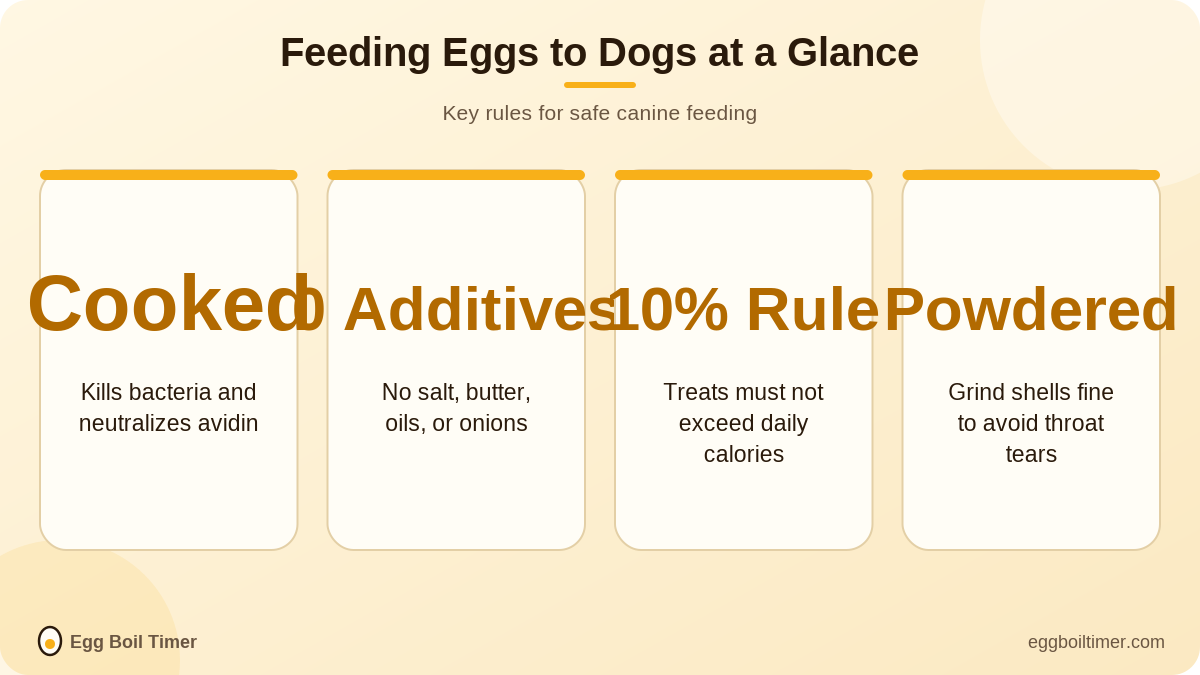
Routine feeding of raw egg whites over weeks or months induces clinical biotin deficiency. Symptoms manifest as severe dermatitis, hair loss around the eyes and muzzle, skin scaling, and lethargy. Thorough thermal cooking denatures avidin, unwinding its peptide chains and disabling the biotin-binding site. Using a boiling timer on Egg Boil Timer makes bringing whole eggs to a safe internal temperature straightforward and reliable.

Kitchen Preparation: Boiling and Scrambling Without Additives
The optimal culinary methods for canine consumption rely exclusively on water-based heat: hard-boiling, soft-steaming, or gentle poaching. These preparation techniques completely eliminate the need for vegetable oils, butter, margarine, bacon grease, or non-stick aerosol sprays. Adding concentrated fats overburdens canine digestive enzymes, dramatically elevating the risk of gastrointestinal irritation and pancreatic inflammation.
To make scrambled eggs for a dog, crack an egg into a clean bowl and whisk it lightly. Pour it into a preheated ceramic skillet over low heat without butter, oil, or milk. Many adult dogs cannot digest lactose, so dairy additives cause loose stools or painful gas. Never season the pan with table salt, pepper, chives, garlic, or onion flakes.
All allium family plants contain toxic thiosulfates that cause oxidative damage to canine red blood cells, triggering hemolytic anemia. After cooking the egg through, allow it to cool down to room temperature before serving. Cooling prevents burns to the canine mouth, tongue, and esophagus.
| Preparation | Safety Status | Cooking Method | Key Ingredient Rule |
|---|---|---|---|
| Hard-Boiled | Optimal | Simmered in plain water until solid | Cool completely; peel shell before feeding |
| Poached | Safe | Gently simmered in plain water | Zero vinegar, zero salt added to water |
| Dry-Scrambled | Safe | Non-stick pan over medium-low heat | No butter, margarine, milk, or cooking sprays |
| Fried / Over Easy | Not Recommended | Pan-fried with runny yolk | Excess surface fat; undercooked center |
| Raw | Unsafe | Uncooked shell or liquid | Carries bacterial and avidin risks |

Daily Feeding Limits by Dog Weight and Breed Size
Veterinary nutritionists emphasize the ten percent rule: treats and meal toppers must collectively account for under ten percent of a dog's daily calories. The remaining ninety percent of caloric intake must come from a complete, balanced diet. Because a single 50-gram egg carries approximately 70 calories, feeding a whole egg impacts a small dog far more intensely than a giant breed.
Toy breeds under 5 kilograms, such as Chihuahuas, require only 200 to 250 daily calories. For them, half an egg delivers nearly a third of their daily energy budget. Toy dogs should receive only one or two teaspoons of chopped hard-boiled egg twice per week. Small to medium canines between 10 and 20 kilograms can safely manage half a cooked egg two or three times weekly.
Large breeds exceeding 25 kilograms can consume one whole cooked egg every other day. Always adjust standard meal portions slightly downward to preserve an ideal body condition score. To see how lipid density and serving frequencies function across species, compare our nutritional breakdown in Eggs and Cholesterol: What Current Science Recommends.
Eggshells as a Calcium Carbonate Supplement
Thoroughly cleaned eggshells consist of roughly 95 percent calcium carbonate, making them an extraordinarily dense natural mineral source. Wild canids eat small animal bones to balance the phosphorus present in raw meat. Modern owners preparing home diets sometimes turn to powdered eggshells as an economical calcium source. Never toss whole shells or jagged fragments into a dog's dish, as sharp shards present serious choking and intestinal hazards.
To safely prepare eggshells, rinse empty shells under clean water to remove albumen residues while leaving the inner membrane intact. Boil the shells in plain water for ten minutes to destroy lingering surface bacteria. Drain and spread the shells across a baking sheet. Dry them in an oven set to 95 °C (200 °F) for twenty minutes until completely brittle.
Pulverize the brittle shells in a clean coffee grinder until they turn into flour-like powder. One eggshell yields about one teaspoon of powder, delivering roughly 1,800 to 2,000 milligrams of elemental calcium. Never supplement your dog's meals with eggshell powder without veterinary guidance. Excessive calcium impairs zinc absorption and causes skeletal deformities in growing puppies.
Managing Accidental Ingestion and Shell Snacking
Curious dogs frequently snatch whole raw eggs dropped on kitchen tiles, raid outdoor chicken coops, or dig through kitchen trash bins. If your pet swallows a single raw egg, severe poisoning is unlikely, but prompt observation is prudent. Check whether the dog consumed shell fragments along with the egg. Offering a slice of plain white bread or canned pumpkin helps cushion sharp fragments as they travel.
Over the next 48 hours, watch your pet closely for signs of gastroenteritis or bacterial infection. Early indicators include stomach rumbling, gas, reduced appetite, and loose stools. If the dog vomits repeatedly, appears lethargic, or passes bloody stools, call your veterinarian immediately. Always keep clean water available. When managing delicate stomachs in human family members who might share meals, parallel sanitation protocols are explained in our safety overview on Runny Eggs for Toddlers: Why the Answer Depends on Where You Live.
Clinical Signs of Egg Allergies and Pancreatitis
Despite their broad nutritional appeal, eggs present serious clinical contraindications for two canine populations: pets with dietary hypersensitivities and dogs predisposed to pancreatitis. Egg protein ranks among the top food allergens recognized in veterinary medicine, alongside beef, dairy, and wheat. Canine food allergies rarely manifest as sudden anaphylaxis. Instead, they produce chronic skin inflammation and digestive issues.
Allergic signs include persistent paw licking, ear infections, belly scratching, and intermittent diarrhea. Diagnosing an egg allergy requires an eight-week strict elimination diet trial under veterinary supervision. Pancreatitis represents an even more urgent medical condition. Canine pancreatic enzymes normally remain inactive until reaching the intestine. Ingesting fatty foods can trigger premature enzyme activation inside the pancreas, causing painful tissue inflammation.
Breeds like Miniature Schnauzers, Yorkshire Terriers, and Cocker Spaniels are especially prone to pancreatitis. Affected dogs show severe abdominal pain, extreme lethargy, a hunched posture, and persistent vomiting. Because the yolk holds almost all egg fat, dogs with a history of pancreatitis must avoid whole eggs. For these sensitive pets, plain boiled egg whites offer a safe, fat-free protein topper without irritating the pancreas.


